
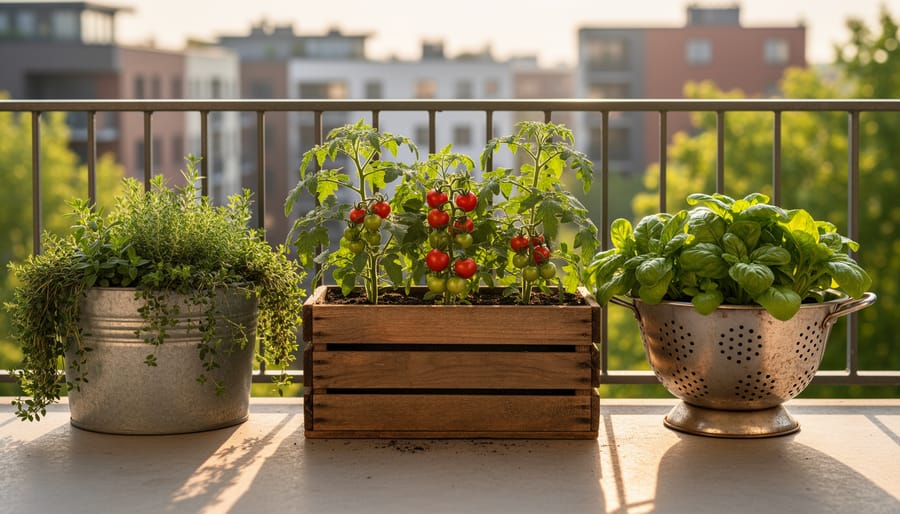
Container gardening transforms any space into a thriving garden, whether you’re working with a sunny balcony, a shaded patio, or just a front doorstep. The beauty of growing plants in pots is the complete creative control you have over your growing environment. You can move containers to chase the sun, refresh your arrangement with the seasons, and experiment with plant combinations that would be impossible in traditional garden beds.
Think beyond the standard terracotta pot. Galvanized tubs, wooden crates, vintage colanders, even repurposed boots can become conversation-starting planters that express your personality. The container becomes part of the display, not just a vessel holding dirt. This approach to gardening as outdoor art lets you play with height, texture, and color in ways that feel more like decorating than traditional horticulture.
What you grow matters as much as what you grow it in. Compact vegetables like cherry tomatoes and lettuce thrive in containers, while herbs create fragrant, accessible kitchen gardens just outside your door. Flowering annuals provide season-long color, and ornamental grasses add movement and structure. The trick is matching plant needs to container size and your available light.
Success comes from understanding a few fundamentals: drainage holes are non-negotiable, quality potting mix outperforms garden soil, and container plants need more frequent watering than their in-ground cousins. But these aren’t barriers. They’re simple guidelines that lead to flourishing container gardens that evolve with your growing confidence and creativity.
Why Container Gardening is Having a Moment in 2026
Container gardening has surged beyond a simple workaround for lack of yard space. It’s become a creative movement that gives anyone, anywhere, the power to grow. The past few years have seen apartment balconies transform into lush edible gardens, bare patios become flower-filled retreats, and tiny urban corners blossom with life.
What’s driving this shift? For starters, container gardening solves real problems that stop people from gardening altogether. You’re not stuck with whatever soil came with your property. That clay-heavy patch that drowns your plants or the sandy ground that can’t hold moisture? Irrelevant when you’re working with containers. You choose the perfect growing medium for each plant.
The freedom to move your garden is genuinely game-changing. When frost threatens tender herbs, you carry them inside. When tomatoes need more sun, you wheel them to a brighter spot. This mobility lets you adapt to seasons and microclimates in ways ground gardening never could.
Container gardening delivers benefits that align perfectly with how people live now:
- Complete control over soil quality and drainage for each plant
- Flexibility to rearrange your garden layout whenever you want
- No long-term commitment required, ideal for renters
- Accessibility for those with mobility challenges or limited strength
- Maximum use of vertical and horizontal space in small areas
The approach works for urban dwellers short on square footage and suburban gardeners looking to expand beyond their beds. It’s become the entry point for beginners who aren’t ready to commit to in-ground planting and the experimental playground for experienced gardeners testing new varieties. Almost any plant that can be grown in the ground can be grown in a container, which means your options are virtually limitless.
Creative Container Ideas That Make a Statement
Repurposed Treasures: From Vintage to Modern
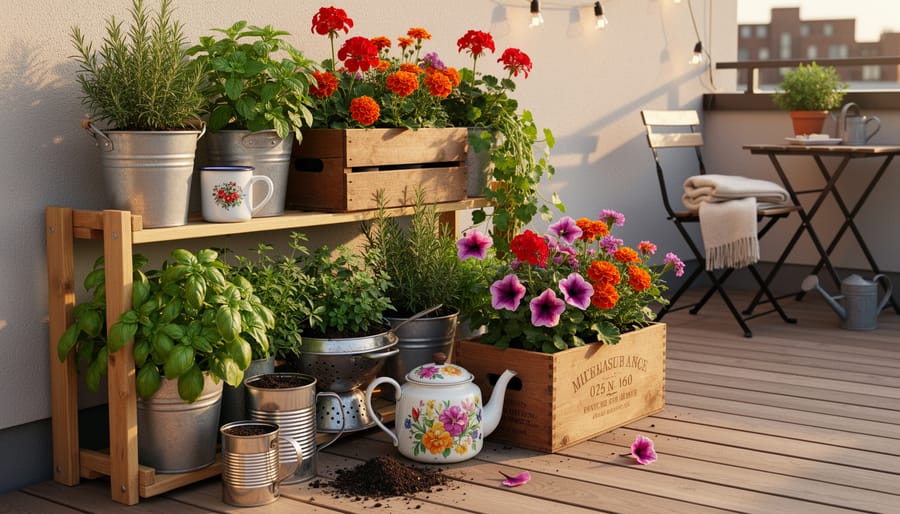
That old galvanized washtub gathering dust in your garage? It’s your next showpiece planter. Repurposed containers bring character and sustainability to your garden while keeping perfectly good items out of landfills.
Vintage wheelbarrows make fantastic herb gardens or trailing flower displays, their weathered patina adding instant charm. Wooden crates and wine boxes work beautifully stacked or arranged at different heights, creating dimension while housing everything from lettuces to pansies. Metal buckets, enamelware colanders, and even old toolboxes transform into conversation-starting planters that reflect your personality.
The beauty of repurposed containers is their imperfection. Rust spots, chipped paint, and dents tell a story that brand-new pots simply can’t match. Just drill drainage holes in the bottom if they’re not already there, and you’re ready to plant.
Think smaller scale too. Chipped teacups become homes for tiny succulents, while vintage boots or rain galoshes add whimsy to porch displays. Even a cracked ceramic bowl gets a second life when planted with sedums or hens-and-chicks. The container becomes part of the art, turning your garden into a curated collection that’s uniquely yours.
Vertical and Hanging Solutions for Small Spaces
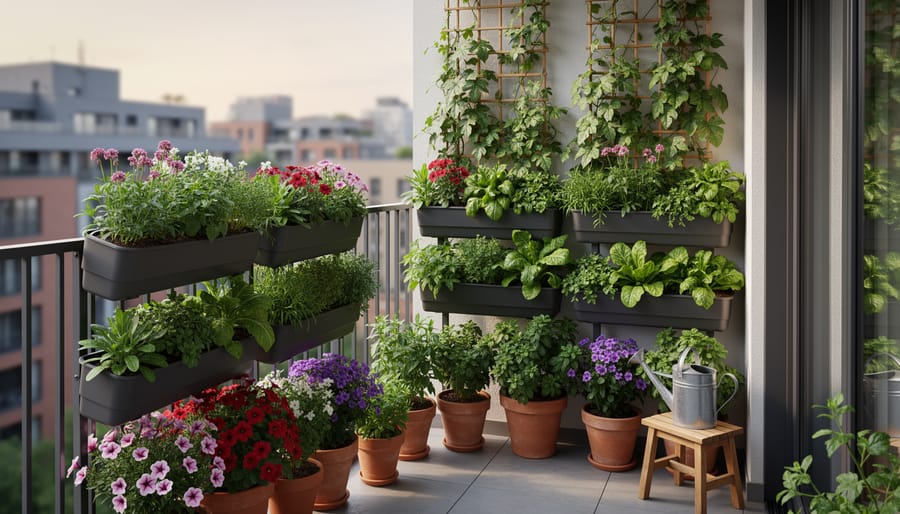
When square footage is at a premium, think upward. Hanging baskets transform bare walls and ceiling hooks into flourishing gardens, perfect for trailing petunias, cascading strawberries, or kitchen herbs within arm’s reach. Wall-mounted pocket planters create living tapestries of succulents or lettuce, turning vertical surfaces into productive growing space while keeping floors clear.
Tiered stands offer another dimension of possibility, stacking plants at varying heights to showcase everything from herb collections to colorful annuals. These layered displays catch more light than a flat arrangement and let you group plants with similar needs without sacrificing visual drama. For comprehensive balcony garden tips that make the most of limited square footage, vertical solutions prove indispensable.
The beauty of going vertical lies in accessibility. You can tend hanging tomatoes without bending, harvest herbs at eye level, and rotate displays seasonally without major redesign. Just ensure your mounting hardware supports the weight when soil is fully saturated, and check that drainage does not drip onto lower plants or surfaces.
Statement Pieces: Containers as Garden Sculpture
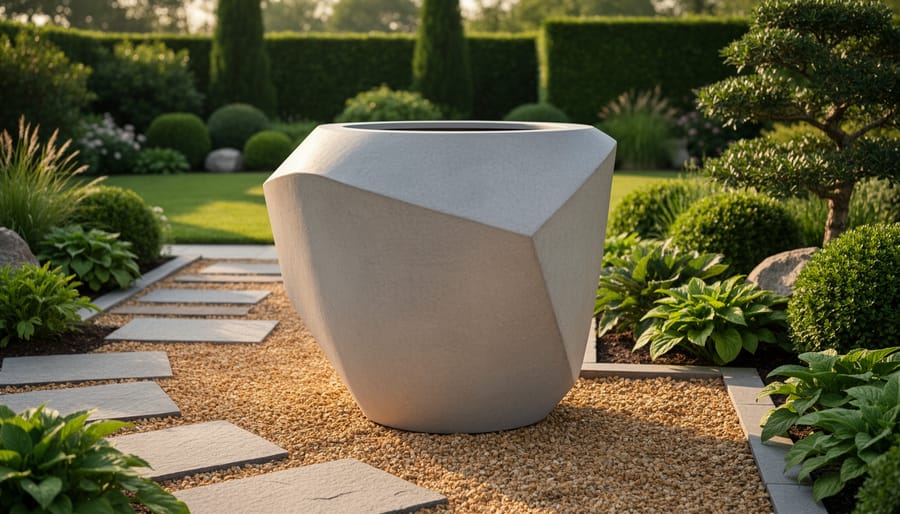
A large, hand-thrown ceramic pot with a crackle glaze can anchor an entire patio corner, demanding attention before a single plant even goes in. Think of these vessels as sculpture first, planters second. Modern geometric containers in matte black or copper finishes create striking architectural interest against greenery, while oversized terracotta urns bring Mediterranean warmth to entryways and pool areas.
What to Grow: Plant Combinations That Thrive in Containers
Edible Container Gardens: Vegetables and Herbs
Growing your own food in containers is surprisingly straightforward. Most vegetables are annuals and adapt beautifully to container life, making them perfect for patios, balconies, or even sunny windowsills. Cherry tomatoes thrive in large pots, rewarding you with fruit all season. Peppers add both color and heat, while leafy greens like lettuce and spinach mature quickly in shallow containers. Herbs are natural container stars. Basil pairs wonderfully with tomatoes, both in the pot and on your plate. Rosemary adds height and fragrance, while parsley fills in gaps with lush greenery.
Consider container size when planning your edible garden. Tomatoes and peppers need deeper pots with room for root development, while herbs and lettuce can flourish in shallower vessels. Mix quick-growing crops like radishes with slower producers to maximize space. The beauty of edible containers lies in their dual purpose: they feed you while adding living texture to your outdoor space.
Floral Displays: Annuals and Perennials
Flowers transform containers into living art pieces that change with the seasons. Annuals like petunias, marigolds, and zinnias deliver weeks of continuous color from spring through frost, making them perfect for gardeners who want instant impact. They’re forgiving, too, if a combination doesn’t work, you can start fresh next year.
Perennials offer a different reward. Plants like coneflowers, black-eyed Susans, and sedums return year after year, developing character as they mature in their pots. They need larger containers with good drainage, but the longevity makes up for the initial investment. Many perennials also attract pollinators, turning your patio into a buzzing haven for bees and butterflies.
Layer heights for visual punch: tall spikes of salvia or snapdragons in the back, mounding petunias or geraniums in the middle, and trailing lobelia or sweet alyssum spilling over the edges. Since flowers share similar needs, you can mix annuals and perennials in the same pot. Pair sun-lovers together and shade-preferring varieties like impatiens and begonias in their own container, matching light requirements ensures everyone thrives.
Low-Maintenance Succulents and Drought-Tolerant Plants
Succulents are a container gardener’s dream. They require minimal watering, tolerate neglect better than most plants, and bring sculptural beauty to any space. Echeveria, sedum, and jade plants thrive in shallow containers with excellent drainage, making them perfect for beginners or anyone in hot, dry climates.
The key to success is using containers with drainage holes and a gritty, well-draining soil mix. Terracotta pots work beautifully because they allow excess moisture to evaporate. You can create stunning artistic arrangements by combining different textures and colors, pair rosette-shaped echeveria with trailing string of pearls, add upright aloe for height variation.
These drought-tolerant plants actually prefer being underwatered to overwatered, so they’re ideal if you travel frequently or simply want a forgiving garden. Group containers of varying heights together for visual impact, or tuck small succulents into unique vessels like teacups or vintage tins for charming displays.
Fruit Trees and Productive Perennials
Dwarf citrus trees bring year-round beauty and fresh fruit to your patio or deck. Meyer lemons, kumquats, and calamondin oranges stay compact while producing genuine harvests in containers. You’ll need a sturdy pot at least 15 gallons for most dwarf fruit trees, with excellent drainage to prevent root rot.
Blueberries, strawberries, and dwarf figs also thrive long-term in containers, offering seasonal interest beyond their fruit. Choose containers made from durable materials like fiberglass, thick plastic, or wood that can withstand years of weathering and root growth. Plan to repot every few years as roots fill the space, and use a quality potting mix designed for the specific plant’s needs, citrus prefers slightly acidic soil, while blueberries need very acidic conditions.
Taming the Wild Ones: Plants That Actually Need Containers
Some plants are so enthusiastic about spreading that they’ll take over your entire garden if you let them. Containers aren’t just a practical option for these vigorous growers, they’re often the smartest choice. By confining aggressive spreaders to pots, you get to enjoy their benefits without the constant battle to keep them in check.
Mint is the classic example. Plant it directly in the ground, and within a season or two, you’ll find it popping up everywhere, choking out neighboring plants and spreading through underground runners. In a container, though, mint becomes the perfect culinary herb, ready to harvest for mojitos and teas without the invasion. The same principle applies to other notorious spreaders:
- Peppermint, spearmint, and other mint varieties that send runners in all directions
- Running bamboo species that can quickly escape garden boundaries
- Raspberry and blackberry bushes that sucker aggressively from their roots
- Lemon balm, which self-seeds prolifically and spreads via rhizomes
- Ornamental grasses like ribbon grass that can become invasive in beds
Think of containers as your control system for plants you love but don’t want dominating the landscape. You’ll still get fresh berries, fragrant herbs, and dramatic foliage, just without the yearly excavation project to reclaim your garden beds. Choose sturdy containers at least 12 inches deep for most of these plants, and you’ll strike the perfect balance between letting them thrive and keeping them civilized.
Design Principles for Eye-Catching Container Gardens
Great container design isn’t about cramming in as many plants as possible, it’s about creating balanced, visually striking arrangements that draw the eye and tell a story. Think of each container as a small canvas where color, texture, and form come together.
Start with the thriller-filler-spiller formula, a classic approach that works beautifully for beginners and experienced designers alike. Your thriller is the tall, dramatic centerpiece, perhaps a spiky cordyline or an upright ornamental grass. Fillers are mid-height plants that add body and fill in around the thriller, like coleus or petunias. Spillers cascade over the edge, softening the container’s rim with trailing ivy, sweet potato vine, or lobelia. This layered approach creates depth and movement.
Color choices shape the entire mood of your arrangement. Monochromatic schemes using different shades of one color create sophisticated, calming displays. Complementary colors, like purple and yellow or blue and orange, make bold statements that pop from a distance. Analogous colors (neighbors on the color wheel) offer harmony with subtle interest. Don’t forget foliage as a color element; silver, chartreuse, and burgundy leaves often provide more lasting impact than flowers.
Texture mixing adds dimension that photographs can’t fully capture. Pair feathery asparagus fern with broad-leaved begonias, or combine spiky succulents with soft, mounding herbs. The contrast between smooth and ruffled, glossy and matte, delicate and bold creates visual richness that keeps arrangements interesting up close and from afar.
Seasonal rotation keeps your containers fresh throughout the year. Swap out spent annuals for new combinations as seasons shift, or build around a perennial anchor and refresh the supporting cast. This flexibility means your container garden never gets stale, it evolves with you.
Essential Care Tips for Container Garden Success
Container gardens need consistent care to flourish, but don’t let that intimidate you. A few simple habits will keep your plants thriving season after season.
Watering is your most important task because containers dry out faster than in-ground beds. During hot summer months, you might need to water daily or even twice a day for small pots. Stick your finger an inch into the soil, if it feels dry, it’s time to water. Pour slowly until water drains from the bottom holes, ensuring the entire root zone gets moisture.
Drainage holes are non-negotiable. Without them, roots sit in waterlogged soil and rot. If you’ve fallen in love with a container that lacks holes, use it as a decorative outer sleeve for a plastic pot with proper drainage. You can also layer rocks or gravel at the bottom before adding soil, though drainage holes remain essential.
Speaking of soil 101 always use potting mix rather than garden soil in containers. Potting mix is lighter, drains better, and won’t compact like heavy garden soil. This keeps roots healthy and makes watering easier.
Here’s how to set up your container properly from the start:
- Place a coffee filter or small piece of landscape fabric over drainage holes to prevent soil from washing out while still allowing water to escape.
- Fill the container about two-thirds full with fresh potting mix, leaving room for your plants.
- Remove plants from their nursery pots and gently loosen circling roots with your fingers.
- Position plants at the same depth they were growing in their original containers, planting too deep can suffocate stems.
- Fill around the roots with more potting mix, leaving an inch of space below the rim for watering.
- Water thoroughly until it drains freely from the bottom, settling the soil around roots.
Container plants need regular feeding because frequent watering leaches nutrients away. A balanced liquid fertilizer every two weeks during the growing season keeps plants vigorous and productive. Slow-release granules mixed into the soil at planting time reduce the feeding frequency.
As seasons shift, move tender plants indoors before the first frost or rotate sun-loving containers to follow the light. Refresh potting mix annually for perennials, and clean empty containers with a mild bleach solution between plantings to prevent disease carryover.
Join the GardenSculpt Community: Share Your Container Creations
Your container garden is more than just a collection of plants. It’s a reflection of your creativity and a conversation starter with fellow gardeners who understand the thrill of discovering the perfect pot or coaxing a tomato plant to fruit on a fire escape.
Head over to the GardenSculpt community forum to share photos of your container creations, whether you’re proud of a thriving lettuce haul or troubleshooting why your basil keeps wilting. Other members are always ready to swap watering tips recommend the best container fertilizer for your setup, or share compost basics for enriching your potting mix.
We run weekly promotions and contests focused on container gardening, from best small-space setup to most creative repurposed planter. It’s a chance to celebrate your wins, learn from others’ experiments, and stay inspired throughout the growing season. Jump in, ask questions, and become part of a community that sees every container as a canvas.
The beauty of container gardening lies in its radical simplicity: almost any plant that grows in the ground can thrive in a pot. You’re not limited by poor soil, lack of yard space, or even permanent outdoor access. Start with one container and a single plant that excites you. Maybe it’s a compact tomato variety for your fire escape, a trailing succulent for your desk, or a fragrant herb on your kitchen windowsill.
As you gain confidence, you’ll discover the real magic isn’t just what you grow, but how containers free you to experiment without consequence. Rearrange them with the seasons. Try bold color combinations. Test that aggressive mint variety without worrying it’ll take over your yard.
Your space doesn’t need to be big to become beautiful and productive. It just needs to be yours. Grab a container, add some soil, and plant something today. Your garden is waiting, and it fits perfectly wherever you are.