
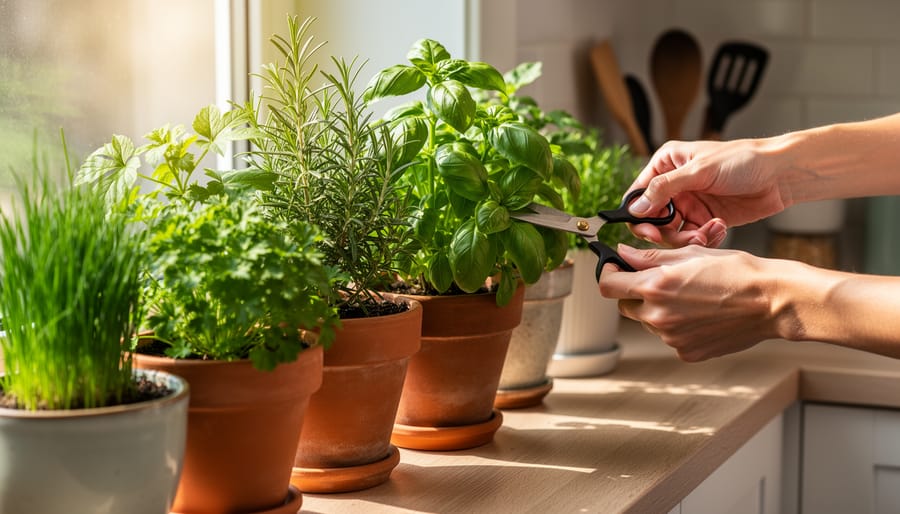
Growing your first herb garden is easier than you think, and the rewards stretch far beyond fresh flavor in your kitchen. Picture stepping outside to snip fragrant basil for tonight’s pasta, or crushing rosemary between your fingers as you plan dinner. That simple pleasure is within reach this week, whether you have a sunny balcony, a kitchen windowsill, or a small patch of backyard soil.
The beauty of starting with herbs lies in their forgiving nature. Unlike fussy ornamentals that demand perfect conditions, most culinary herbs actually thrive on a bit of neglect. Basil, mint, parsley, and chives practically grow themselves when given decent sunlight and occasional water. You don’t need expensive equipment or years of experience. A few containers, quality potting mix, and six hours of daily sun will get you started.
What makes 2026 an exciting time to begin is the explosion of local workshops and community gardens offering hands-on learning. These gatherings transform herb gardening from a solitary project into a shared creative pursuit, where you’ll swap cuttings, troubleshoot problems together, and discover how different gardeners approach the same plants with artistic flair.
This guide walks you through everything you need: choosing the right herbs for your space and skill level, gathering supplies without overspending, planting with confidence, maintaining your garden through the seasons, and solving common problems before they derail your progress. By the end, you’ll have living plants providing fresh ingredients and a foundation for expanding your gardening journey in whatever direction inspires you most.
Why Herb Gardening Is the Perfect Gateway to Growing Your Own Food
Herbs succeed where other crops often fail for newcomers. They forgive irregular watering, tolerate less-than-perfect soil, and bounce back from clumsy pruning. Most herbs grow fast enough that you’ll harvest within weeks, not months, which keeps motivation high when you’re just learning. A single basil plant can supply your kitchen all summer, and that immediate payoff makes every beginner feel capable.
Space constraints don’t matter here. You can grow a productive herb garden on a sunny windowsill, a balcony ledge, or one corner of your yard. Unlike sprawling vegetables that demand square footage, herbs thrive in compact containers and tight groupings. This accessibility makes herb gardening ideal for apartment dwellers, renters, and anyone testing their green thumb before committing to larger projects.
The culinary connection transforms herb gardening from a hobby into daily delight. Snipping fresh basil for pasta, tearing mint for tea, or garnishing with chives you grew yourself creates a tangible link between garden and table that grocery store bunches never match. You taste the difference in flavor and freshness within hours of cutting.
Beyond the practical benefits, herb gardens offer creative expression that fits naturally with GardenSculpt’s artistic approach to outdoor spaces. Arranging herbs by height, color, and texture turns a functional plot into a living composition. The silvery foliage of sage beside purple basil, or the feathery dill standing tall behind compact oregano, lets you practice design principles on a forgiving scale. You’re not just growing ingredients; you’re crafting an edible landscape that engages multiple senses and evolves through the season.
Choosing Your First Herbs: The Beginner-Friendly Five
Starting with the right herbs makes all the difference between frustration and a thriving kitchen garden. These five easy herbs for beginners tolerate mistakes, grow quickly enough to keep you motivated, and deliver immediate rewards in your cooking.
Basil stands out as the beginner’s champion. This warm-weather annual thrives in containers or garden beds, producing fragrant leaves within weeks of planting. Place it where it gets six hours of direct sun, water when the top inch of soil feels dry, and pinch off the top leaves every week or two to encourage bushier growth. The more you harvest, the more it produces. Fresh basil transforms simple tomato dishes, elevates homemade pesto, and brings Italian and Thai cuisines within reach.
Mint grows so enthusiastically that your main challenge will be containing it rather than keeping it alive. This perennial spreads through underground runners, making containers the smart choice unless you want mint taking over your garden bed. It tolerates partial shade better than most herbs and forgives inconsistent watering. Spearmint and peppermint varieties bring bright flavor to drinks, salads, and Middle Eastern dishes. Just remember: one mint plant quickly becomes many.
Parsley rewards patient beginners. Seeds take two to three weeks to germinate, but once established, this biennial produces abundant flat or curly leaves for months. It appreciates morning sun and afternoon shade in hot climates, needs consistent moisture, and handles cooler temperatures that would damage basil. Fresh parsley isn’t just garnish, it brightens sauces, bulks up tabbouleh, and adds a clean, grassy note to almost any savory dish.
| Herb | Difficulty | Sunlight | Water Needs | Best Location |
|---|---|---|---|---|
| Basil | Very Easy | 6+ hours direct | Moderate, consistent | Container or ground |
| Mint | Very Easy | Partial shade OK | Moderate to high | Container (spreads) |
| Parsley | Easy | 4-6 hours, shade tolerant | Consistent moisture | Either works well |
| Chives | Very Easy | 4-6 hours | Low to moderate | Either works well |
| Rosemary | Easy | 6-8 hours direct | Low, prefers dry | Container (cold climates) |
Chives might be the most forgiving herb you’ll grow. These mild onion-flavored perennials return year after year, tolerate neglect, and even produce edible purple flowers in spring. They need less water than most herbs and grow happily in partial sun. Snip the hollow leaves with scissors whenever you need them for baked potatoes, cream cheese, egg dishes, or as a finishing touch on soups.
Rosemary brings woody, Mediterranean flavor and a sculptural presence to your garden. This drought-tolerant perennial prefers slightly dry conditions, overwatering kills more rosemary than underwatering. It needs the most sun of these five herbs and grows slowly but steadily into a substantial plant. In cold climates, grow it in a container you can bring indoors before frost. Fresh rosemary elevates roasted vegetables, grilled meats, and homemade bread in ways dried rosemary never quite matches.
Start with two or three of these herbs rather than all five. You’ll learn their rhythms, build confidence, and create growing habits that set you up for expanding your herb garden in future seasons.
Essential Supplies and Setup for Your Herb Garden
Container vs. Ground Planting: What Works for You
Containers offer flexibility that’s hard to beat when you’re just starting out. You can start your first pots on a balcony, patio, or sunny windowsill, move them to follow the sun as seasons shift, and bring tender herbs indoors before frost hits. Containers also let you control soil quality completely, which matters if your yard has heavy clay or poor drainage. They’re ideal if you rent, plan to move, or simply want to test your commitment before digging up part of your lawn.
In-ground beds suit you if you have dedicated outdoor space and want a more permanent setup. Herbs planted directly in the earth develop deeper root systems, need less frequent watering once established, and can spread into lush patches. Ground planting works beautifully if you’re designing an integrated garden where herbs mingle with flowers and vegetables. The trade-off is less control over soil conditions and zero portability.
Your choice boils down to space and lifestyle. Limited room or uncertain long-term plans? Containers win. Ample yard space and a desire for low-maintenance perennial growth? Ground beds deliver.
Understanding Soil and Drainage Basics
Good soil makes the difference between herbs that barely survive and herbs that fill your kitchen with fragrance. Herbs need soil that drains quickly because most of them evolved in Mediterranean climates where water doesn’t hang around. Soggy roots spell disaster, wet soils cause root rot that kills plants faster than drought does.
For containers, use a commercial potting mix rather than garden soil. Potting mix stays light and fluffy, letting water flow through while still holding enough moisture for roots to drink. If you’re planting in the ground, work compost into your existing soil to improve both drainage and nutrients. The simple squeeze test tells you what you’ve got: grab a handful of moist soil and squeeze it into a ball. If it crumbles when you poke it, drainage is fine. If it stays in a sticky clump, mix in compost or sand.
Check your drainage before planting by filling your container with water and watching how fast it disappears. It should drain within a few minutes. Drill extra holes if water pools on top. For more depth on soil fundamentals, explore our soil 101 guide.
Planting Your Herbs: Step-by-Step for Success
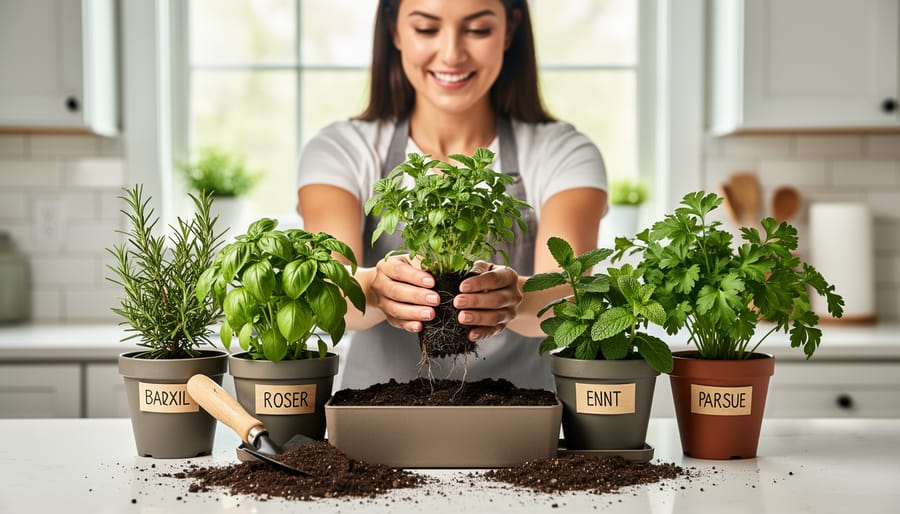
You’re ready to get your hands dirty. Whether you choose seedlings from a garden center or decide to grow from seed the actual planting process is simpler than you think. Seedlings give you a head start and are perfect for your first garden, while seeds offer more variety and a deeper sense of accomplishment.
Here’s exactly how to plant your herbs for the best chance of success:
- Prepare your container or bed by filling it with quality potting mix, leaving about two inches from the rim. Moisten the soil lightly before planting.
- Create holes that are slightly larger than your seedling’s root ball, spacing them according to each herb’s needs. Basil and parsley need 12 inches apart, while mint should have its own container to prevent spreading.
- Gently remove each seedling from its nursery pot by squeezing the sides and supporting the base of the stem. Don’t yank by the leaves.
- Place the seedling in its hole so the soil line matches where it was in the original pot. Planting too deep can rot the stem, while too shallow exposes roots.
- Fill around the roots with soil, pressing gently to eliminate air pockets without compacting too hard. You want contact, not compression.
- Water thoroughly until moisture drains from the bottom, ensuring the entire root zone gets saturated. This settles the soil and helps roots establish.
That initial watering matters more than you’d think. It eliminates air gaps around roots and signals the plant to start growing in its new home. For the first week, check soil moisture daily by sticking your finger an inch down. If it feels dry, water. If it’s still moist, wait.
Morning is the best time to plant, giving herbs a full day to adjust before cooler evening temperatures arrive. You’ve just completed the most crucial step in your herb gardening journey.
Daily and Weekly Care Routines That Keep Herbs Thriving
The good news: once your herbs are in the ground or container, they mostly take care of themselves. The key is establishing a rhythm that becomes second nature.
Check your herbs every morning with a quick visual scan. Look for drooping leaves, color changes, or pest activity. This 30-second habit catches problems before they escalate. Water when the top inch of soil feels dry to your finger, typically every 2-3 days for containers and less frequently for in-ground plantings. Morning watering lets foliage dry before evening, reducing disease risk. For detailed seasonal strategies, check out these watering tips that address changing weather patterns.
Sunlight monitoring matters more than you’d think. Herbs need 6-8 hours of direct sun, but mid-summer intensity can scorch tender basil leaves. If you notice bleaching or wilting during peak afternoon heat, shift containers to partial shade or add a simple shade cloth for a few hours.
Your weekly task is pinching back growing tips. When stems reach 6 inches, use your fingers to pinch off the top set of leaves above a leaf node. This forces the plant to branch sideways instead of shooting straight up, creating bushier, more productive growth. Start this practice early and continue throughout the season.
Feed herbs monthly with diluted liquid fertilizer at half the recommended strength. Herbs grown for flavor actually benefit from slightly lean soil, which concentrates their essential oils. If you’re building richer soil for future seasons, explore beginner composting to create your own amendments.
Watch for yellowing lower leaves, a sign of overwatering or nitrogen deficiency. Brown, crispy edges mean underwatering or too much direct sun. Leggy, pale growth indicates insufficient light. These visual cues tell you exactly what adjustments to make.
Harvesting and Using Your Fresh Herbs
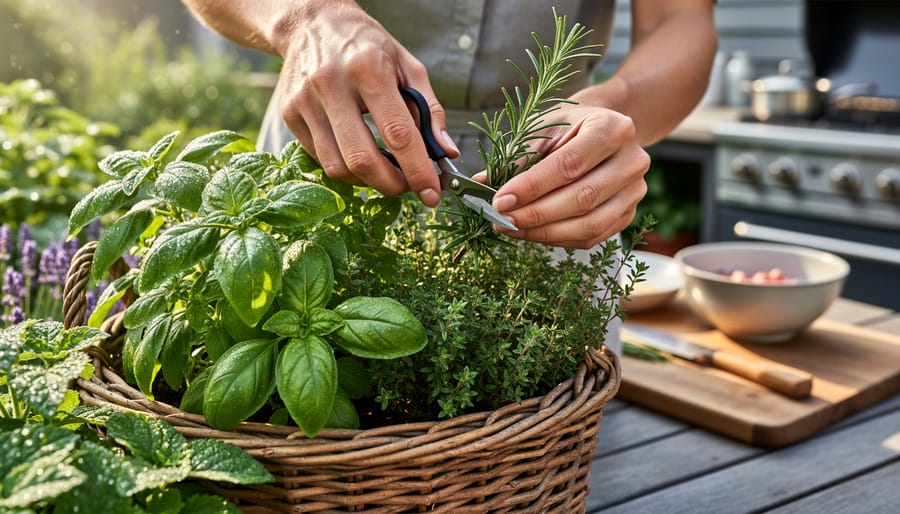
The best part of growing herbs is putting them to use, and harvesting correctly ensures your plants stay productive for months. Pick herbs in the morning after dew evaporates but before the sun gets hot, that’s when their essential oils are most concentrated. For leafy herbs like basil and parsley, snip stems just above a leaf node to encourage branching. Never take more than one-third of the plant at once. With woody herbs like rosemary and thyme, trim new growth from the tips rather than cutting into old wood.
Fresh herbs transform ordinary meals into something special. Toss torn basil into pasta at the last second, muddle mint into summer drinks, or blend parsley with garlic and lemon for a bright sauce. Chop chives over scrambled eggs or baked potatoes. Strip rosemary leaves and press them into roasted chicken or focaccia dough. The more you harvest and use your herbs, the bushier and more productive they become.
When abundance hits, preserve your harvest so nothing goes to waste. Freezing works beautifully: wash, dry, chop herbs, and pack them into ice cube trays with a splash of olive oil or water. Pop out frozen cubes whenever you need them for cooking. You can also dry herbs by hanging small bundles upside down in a warm, dark spot with good airflow, then crumble the dried leaves into jars. Basil, mint, and cilantro lose flavor when dried, so freeze those instead.
Think of your herb garden as an edible palette, each plant adds color, aroma, and flavor to your culinary creations. Experimenting with combinations and preservation methods turns gardening into an artistic practice that feeds both creativity and appetite.
Learning from the Community: Workshops and Resources for 2026
Starting your herb garden doesn’t mean going it alone. One of the most valuable resources for beginners in 2026 is the growing network of hands-on workshops and community learning opportunities popping up across the country. These sessions offer something no online tutorial can match: direct guidance from experienced growers, the chance to ask questions in real time, and the confidence boost that comes from planting your first seedlings alongside fellow learners.
The Herb Planting Workshop happening on Saturday, May 9 exemplifies this supportive approach to getting started. This beginner-focused event offers three session options to fit different schedules, and participants receive personal instruction from The FarmGirl herself. Everything you need for the workshop is included, removing the guesswork about what supplies to buy and letting you focus entirely on learning the fundamentals.
Beyond formal workshops, connecting with other gardeners creates an ongoing support system as your herbs grow. Local garden centers often host informal meetups or plant swaps where you can trade cuttings and troubleshooting tips. Online communities like GardenSculpt’s forum provide year-round access to experienced members who remember their own beginner struggles and genuinely enjoy helping newcomers succeed. These connections transform herb gardening from a solitary hobby into a shared creative journey, where your questions find answers and your first successful harvest becomes a story worth celebrating together.
Common Beginner Mistakes (And How to Avoid Them)
Every new herb gardener makes a few classic mistakes, but knowing what to watch for means you’ll skip right past them and enjoy a thriving garden instead.
Overwatering ranks as the number one herb killer. Most herbs prefer soil that dries out slightly between waterings rather than staying constantly moist. Stick your finger an inch into the soil, if it feels damp, wait another day. Yellowing leaves and mushy stems signal you’ve been too generous with the watering can.
Insufficient light trips up indoor herb gardeners especially. If your basil looks leggy and pale or your rosemary seems weak, it’s likely not getting enough sun. Most herbs need at least six hours of direct light daily. Move containers closer to south-facing windows or consider a simple grow light for darker spaces.
Overcrowding your pots stunts growth and invites disease. Each herb needs room for its roots to spread and air to circulate around its leaves. Follow spacing guidelines when planting, and don’t squeeze three seedlings into a container meant for one just because you’re excited to grow more.
The opposite problem is neglecting to harvest. When you don’t regularly pinch back growing tips, herbs get leggy, flower prematurely, and lose flavor. Harvesting actually encourages bushier, more productive plants. Snip often, even if you can’t use everything immediately.
Finally, many beginners give up after one setback. A plant struggling doesn’t mean you’ve failed at herb gardening for beginners, it means you’re learning what that particular herb needs in your specific environment. Adjust your care routine, try a different location, and remember that even experienced gardeners lose plants sometimes.
You’ve got everything you need to start your herb garden this weekend, and there’s never been a better time to begin. That small collection of pots on your windowsill or that modest garden bed outside your door will reward you with fresh flavors, the satisfaction of growing your own food, and a deeper connection to the rhythms of nature. Starting small isn’t just acceptable, it’s the smartest approach, giving you confidence as each plant thrives under your care.
Remember, every experienced gardener started exactly where you are now, with questions and a bit of uncertainty. The beauty of herb gardening for beginners is that it welcomes you in gently, teaching lessons through quick-growing plants that forgive small mistakes and bounce back with vigor.
We’d love to hear how your herb garden grows. Share your progress, post photos of your first harvest, and ask questions in GardenSculpt’s community forum. Connect with fellow beginners and experienced gardeners who remember their own first basil plant and are eager to cheer you on. Your journey from curious beginner to confident herb gardener starts with one weekend and one pot of basil, so why not make it this weekend?