
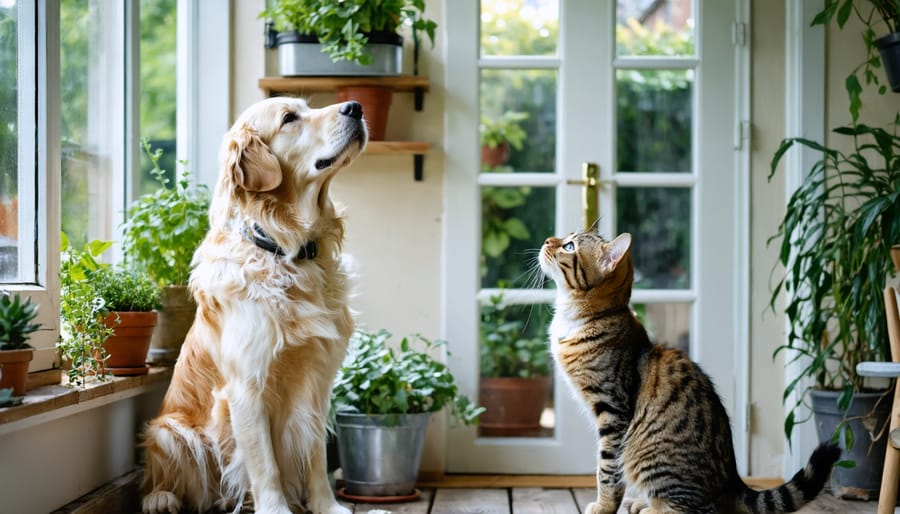
Store Budpop THC gummies in locked metal containers placed on high shelves above your pet’s jumping reach—never in mudrooms, sheds, or areas where garden tools create climbing opportunities. Install childproof locks on dedicated cabinet spaces in your main living area, away from the constant traffic flow between your garden and home. Create a “before and after gardening” routine: check that all edibles are secured before heading outdoors, as garden homes’ multiple entry points increase the risk of leaving storage unlocked during quick trips inside.
Garden homeowners face unique challenges with THC edible storage. Your indoor-outdoor lifestyle, complete with potting benches, greenhouse access, and pets freely roaming between spaces, demands specialized safety strategies that work with—not against—your gardening rhythm. Dogs and cats can’t distinguish between regular gummies and cannabis-infused ones, and accidental THC ingestion leads to distressing veterinary emergencies. The solution isn’t complicated, but it requires intentional systems that blend seamlessly with your garden-focused home. This guide provides practical storage solutions tailored specifically to your lifestyle, ensuring both your enjoyment and your pet’s safety coexist harmoniously.
Why Garden Homes Present Unique Storage Challenges
The Indoor-Outdoor Pet Factor
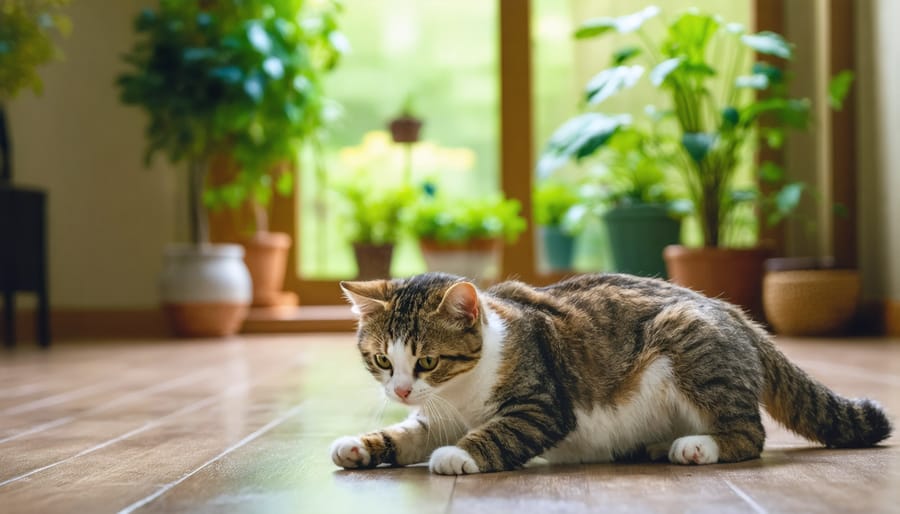
Pets in garden homes live a uniquely dynamic lifestyle that creates special storage challenges. Unlike apartment-dwelling animals with predictable routines, your furry companions likely move freely between indoor and outdoor spaces throughout the day. They track in garden soil on their paws, explore mudrooms and potting sheds, and have access to multiple entry points in typical garden home layouts.
This constant indoor-outdoor movement means you’ll need to think beyond traditional pantry storage. Your dog might dash through the kitchen after a garden romp, or your cat could investigate countertops while you’re tending raised beds. Consider how your pet’s behavior changes seasonally too—more outdoor time in spring and summer often means increased energy and curiosity when they come inside. Understanding these patterns helps you identify vulnerable storage spots and create multiple secure zones throughout your home, ensuring your THC gummies stay safely out of reach no matter which door your pet uses.
Common Storage Mistakes in Garden Spaces
Garden homes present unique storage challenges that can accidentally put our furry friends at risk. Many of us keep THC gummies on kitchen counters near back doors for easy access during garden breaks—but curious pets can reach these surfaces surprisingly quickly. Potting sheds seem like private spaces, but dogs and cats often follow us inside, sniffing around open toolboxes or supply shelves where we’ve stashed edibles.
Greenhouses feel secure yet frequently have unlocked doors and low shelving where treats can sit within paw’s reach. Mudrooms and sunrooms—those transitional spaces between garden and home—become dumping grounds for pockets’ contents, including forgotten gummy packages. Window boxes and outdoor storage benches might seem clever, but temperature fluctuations degrade THC products and wildlife can access them.
The biggest mistake? Assuming our gardening routines keep us aware of where everything is. When we’re focused on plant care, we sometimes forget that packet we left near the watering can. Creating designated, elevated, locked storage spots specifically for edibles protects your pets while keeping your garden workflow smooth.
Pet-Proof Storage Solutions for Different Garden Home Areas
Kitchen and Pantry Storage
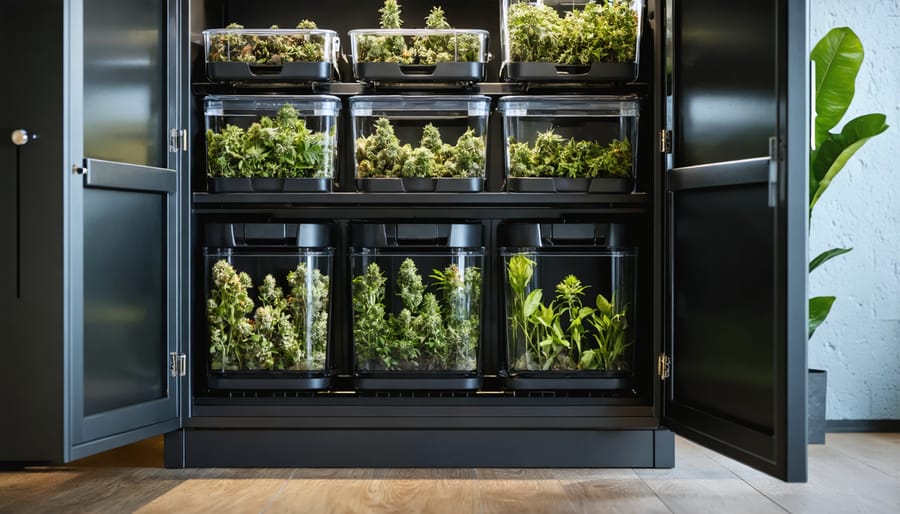
The kitchen is often the heart of a garden home, but it’s also where curious pets wander during meal prep. Your best defense? Think vertical and secure. Store THC gummies in upper cabinets—ideally above your refrigerator or at the topmost shelf where even determined jumpers can’t reach.
Consider investing in cabinet locks or child-proof latches that require a two-step opening process. These mechanisms are pet-proof gold, especially if you have cats who’ve mastered door handles or large dogs who can nose cabinets open. For an added layer of protection, place gummies in opaque, airtight containers with twist-lock lids before storing them away.
Your pantry offers excellent storage potential too. Designate a specific locked bin on the highest shelf exclusively for edibles. Label it clearly so family members know what’s inside, and keep the key in a separate, secure location.
For those mudroom moments when you’re transitioning from garden to kitchen with muddy boots and armfuls of harvested veggies, create a habit: gummies go up and away *immediately*. Never leave them on countertops, even briefly. Your four-legged friends are quick, and it only takes seconds for an accident to happen.
Mudroom and Garden Entry Solutions
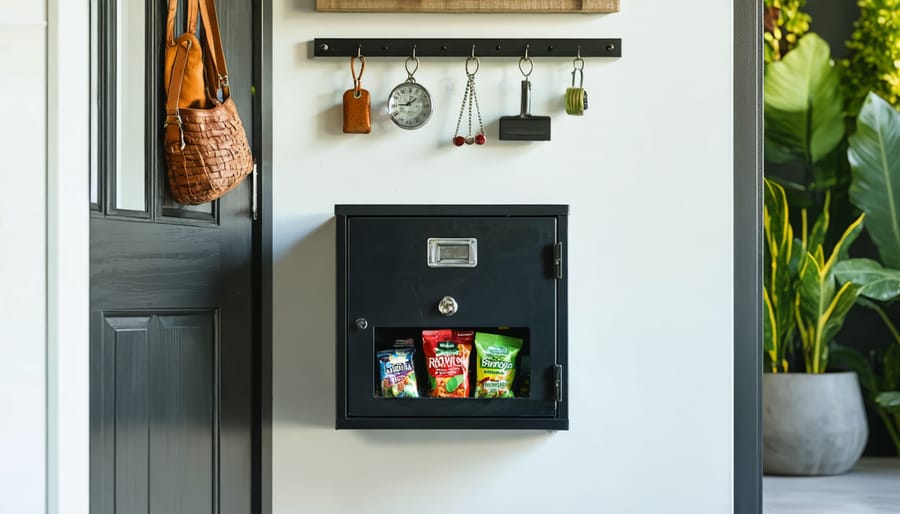
The mudroom is where garden life meets home life—and often where curious pets greet us after outdoor sessions. This transitional space deserves thoughtful storage solutions that keep your THC gummies secure while you’re tracking in soil and seedlings.
Wall-mounted lockboxes work beautifully here, positioned above coat hooks or beside the door at human height—well beyond your pet’s reach. Choose a powder-coated metal option that complements your mudroom’s aesthetic while providing serious security. These compact boxes can hold gummies alongside car keys, creating a grab-and-go system for adults only.
Consider installing a lockable drawer within your mudroom bench or cabinet system. Many garden homes feature built-in storage benches perfect for this purpose. Add a simple keyed drawer lock (available at any hardware store) to transform ordinary storage into pet-proof protection. This approach keeps edibles hidden from view while maintaining easy access for responsible adults.
For homes with dedicated garden entries, establish a “lock it before you kick off your boots” routine. Pair this habit with something you already do—like hanging your gardening gloves or washing your hands. This mental connection helps ensure your gummies never accidentally end up on a counter where paws or snouts might investigate.
Outdoor Storage Buildings and Sheds
Outdoor sheds and storage buildings might seem convenient for garden supplies, but they’re generally not ideal for THC gummy storage when you have pets. Temperature fluctuations can degrade the gummies, and outdoor structures often have gaps where curious pets might squeeze through. However, if your shed is your only option, you can make it work with some modifications.
Install a lockable metal cabinet inside the shed specifically for these items—think of it as a safe within a safe. Ensure the shed door has a sturdy lock that pets can’t manipulate, and check regularly for any gaps in walls or flooring where animals might gain access. Consider adding weatherstripping to maintain more stable temperatures.
A creative solution? Repurpose a vintage toolbox with a combination lock as dedicated storage. It adds character to your gardening space while keeping everything secure. Just remember to bring your gummies indoors during extreme weather, and never leave packages or wrappers in outdoor bins where pets scavenge.
Creative DIY Storage Projects
Get creative with storage that complements your garden aesthetic! Transform terracotta pots into lockable containers by drilling mounting holes for small combination locks—perfect for tucking away in your potting shed. Repurpose vintage mason jars with child-proof lids, storing them on high shelves alongside your seed collection. Consider building a small lockbox disguised as a decorative birdhouse or garden ornament. Just as you create safe garden spaces for relaxation, design storage that’s both functional and beautiful. Add personalized labels using garden markers, and integrate your storage seamlessly into existing garden-themed décor for a cohesive look.
Best Container and Lock Types for Pet Safety
Smell-Proof Features (Why They Matter for Curious Pets)
Pets experience the world nose-first, and those curious snouts can detect treats through standard containers with remarkable precision. Even if your THC gummies are tucked away, lingering scents act like neon signs to your furry companions. This is where smell-proof storage becomes your first line of defense—it eliminates the very clue that alerts pets to investigate.
Look for containers with activated carbon filters, silicone gasket seals, or multi-layer barrier systems specifically designed to trap odors. Think of it like creating an invisible boundary around your edibles. When pets can’t smell what’s inside, they simply move on to more interesting discoveries in your garden or home. This passive protection works around the clock, even when you’re outside tending tomatoes or designing your next flower bed—making it an essential feature for any storage solution in a pet-friendly, garden-centered household.
Lock Mechanisms That Actually Work
Choosing the right lock mechanism depends on your pet’s determination and dexterity. **Combination locks** work beautifully for most dogs, as they can’t manipulate the rotating dials, though persistent paws might accidentally spin them. Set a memorable code like your garden’s planting date! **Key locks** offer excellent security for cats and smaller pets who can’t grip keys, but remember to store that key somewhere accessible yet pet-proof—perhaps attached to your gardening tool belt.
**Child-proof mechanisms** with squeeze-and-turn caps provide quick daily access while stopping curious noses and paws. These shine for medium-sized dogs and most cats. Larger breeds with strong jaws need more robust solutions—consider combination locks with metal casings. Test your chosen mechanism yourself first: if you can open it while wearing gardening gloves, your clever pet might eventually figure it out too. For multi-pet households with varying sizes and abilities, layering two different lock types creates an extra safety barrier that accommodates your entire furry family.
Material Considerations
When choosing storage containers for your garden home, metal options offer superior chew-resistance compared to plastic, making them ideal if curious pets investigate unfamiliar items. Stainless steel tins with secure latches withstand determined paws and resist weather fluctuations in mudrooms or garden sheds. However, food-grade plastic containers with locking mechanisms work well indoors and weigh less for everyday use. Consider your space’s humidity levels—garden environments often experience more moisture, so rust-resistant materials are essential. Look for containers with reinforced corners and thick walls that discourage gnawing. Remember, no container is completely pet-proof without proper placement, but durability matters when you’re moving between indoor and outdoor spaces frequently.
Creating a Storage Routine That Fits Your Garden Lifestyle
The ‘Garden to Kitchen’ Protocol
Creating a simple “garden to kitchen” routine can be your best defense against accidental THC gummy mishaps. After a satisfying session of pruning roses or harvesting tomatoes, it’s easy to get distracted and leave things where they shouldn’t be. Start by designating a specific “transition station” near your most-used garden entrance—perhaps a mudroom shelf or entryway basket.
Before heading inside, do a quick pocket check and place any THC gummies directly into your secure storage container at this station. Think of it like removing muddy boots: it becomes second nature with practice. Many gardeners find success by pairing this habit with another routine task, such as washing hands or refilling their water bottle.
Consider keeping a small notepad at your transition station as a visual reminder. Some creative gardeners even hang a decorative chalkboard with a simple checklist: “Boots off? Tools away? Gummies secured?” This gentle prompt helps reinforce the habit until it becomes automatic, protecting your curious pets while you focus on what matters most—enjoying both your garden sanctuary and your well-earned relaxation.
Visual Reminders and Storage Cues
Creating a visual system helps everyone in your household stay mindful of safe storage. Start by designating specific, high-mounted cabinets or containers exclusively for THC products, then mark them with bright, color-coded labels—think “Adults Only” in bold lettering. Choose colors that stand out in your space, like neon orange or lime green, making them impossible to overlook during your daily routines.
Consider how these storage spots integrate with your garden home’s flow. If you frequently move between your kitchen and greenhouse, position your secure storage near your primary indoor pathway, not tucked away where you might forget about it. Some gardeners find success using magnetic whiteboard labels on storage boxes, allowing them to update contents seasonally.
Try creating a simple checklist near your main entrance—a friendly reminder to secure edibles before letting pets roam freely. Pairing visual cues with your existing gardening routines (like checking soil moisture) helps build lasting safety habits. The goal is making safe storage feel natural and effortless, not burdensome.
What to Do If Your Pet Gets Into THC Gummies
Despite our best storage efforts, accidents can happen—especially in busy garden homes with pets tracking in and out. If you suspect your pet has gotten into THC gummies, here’s what to do.
**Watch for These Signs**
Pets typically show symptoms within 30-90 minutes of ingestion. Look for wobbly walking, dilated pupils, drooling, lethargy, or unusual sensitivity to touch and sound. Some pets may seem disoriented or have accidents indoors. Don’t panic—while THC ingestion is uncomfortable for pets, most cases resolve with proper veterinary care.
**Immediate Steps**
First, remove any remaining gummies and secure them where your pet can’t reach them again. Note approximately how many were consumed and when. Don’t try to make your pet vomit at home—this can cause additional complications.
Contact your veterinarian or emergency animal clinic right away, even if symptoms seem mild. Be honest about what happened; vets are there to help, not judge. If it’s after hours, call a pet poison helpline for guidance.
**At the Vet**
Treatment usually involves monitoring and supportive care like IV fluids. Most pets recover fully within 24-48 hours. Your vet may keep your pet for observation depending on the amount consumed and their size.
**Prevention Going Forward**
Use this as an opportunity to review your storage systems. Many gardeners find that close calls motivate them to finally install that locked cabinet or establish stricter routines around their storage practices.
Creating a safe haven for your pets doesn’t require complicated systems or expensive equipment—it simply takes awareness and consistent habits. Just as you carefully consider which plants are non-toxic for your furry friends when designing your garden spaces, applying that same thoughtful approach to THC gummy storage is a natural extension of responsible pet ownership. Take a moment today to walk through your home with fresh eyes, checking every potential storage spot where edibles might be accessible to curious paws and noses.
Your garden home is designed to be a sanctuary where beauty and function harmonize, and pet safety fits perfectly within that vision. Whether you’re storing products in a repurposed vintage tin in your kitchen, a lockbox in your shed, or a high cabinet near your potting bench, you’re making a choice that protects the companions who bring so much joy to your gardening adventures. By auditing your current setup and implementing even one or two of these storage strategies, you’re reinforcing the foundation of what makes beautiful garden homes truly special—spaces where every living being can thrive safely together.