
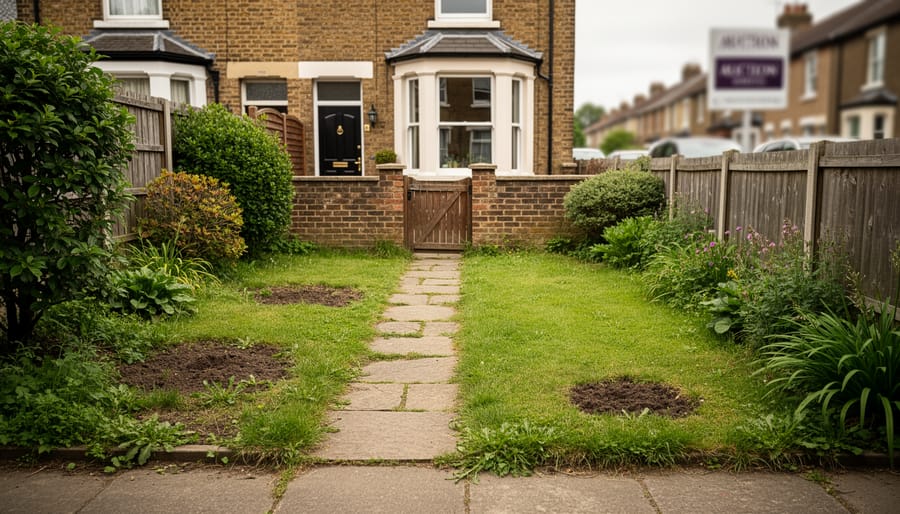
Understanding auction dynamics starts with research. Before you attend any property auction in 2026, spend time studying recent sale results in your target area, paying particular attention to properties with gardens. Compare final hammer prices against the advertised estimates to spot patterns. Most auction houses publish results online, giving you a realistic benchmark for what similar properties actually sell for, not just what they’re listed at.
Calculate your maximum bid before auction day and stick to it religiously. Factor in renovation costs for the garden space, survey fees, legal expenses, and a contingency buffer of at least 15-20%. Gardens left neglected for years can hide expensive drainage issues, boundary disputes, or soil contamination that will drain your budget faster than you’d imagine. Get a pre-auction survey if viewings reveal any red flags in the outdoor spaces.
Recognize that the guide price at auction serves as a starting point rather than a ceiling. Properties with substantial gardens often attract competitive bidding from developers and families alike, pushing final prices 10-30% above the guide in desirable locations. Your job isn’t to predict the outcome but to know your walk-away number based on the property’s true value to your vision.
Visit the property multiple times at different times of day and in varied weather conditions. A sunny Saturday viewing might hide how waterlogged that beautiful lawn becomes after rain, or how neighboring properties overlook the garden. Check soil quality, existing plant health, and sunlight patterns across the outdoor space. These observations help you assess whether the garden represents an opportunity or a money pit, informing how aggressively you should bid when the hammer drops.
What Guide Prices Actually Tell You (And What They Hide)
Guide prices look straightforward at first glance, a number in the listing, a starting point for bids. But they’re tactical tools designed by auctioneers to draw interest while protecting the seller’s bottom line. Think of a guide price as an opening move in a chess game, not a statement of actual value.
Auctioneers set guide prices by analyzing recent comparable sales in the area, factoring in property condition, and gauging current buyer sentiment. For properties with garden potential, this gets complicated. A neglected half-acre with overgrown brambles might receive a conservative guide price that overlooks what an experienced gardener sees, mature fruit trees hiding beneath weeds, established perimeter hedging, or quality topsoil waiting for attention. The auctioneer’s valuation rarely accounts for transformation potential.
What guide prices definitely don’t tell you is where bidding will actually stop. Properties regularly sell for 20-40% above their guide prices when multiple buyers recognize value, and equally often, they fail to reach the guide when hidden issues surface during viewings. A cottage listed with a guide price of £250,000 and a quarter-acre garden might attract fervent bidding from gardening enthusiasts who see potential for a productive kitchen garden, pushing the final price to £320,000. Conversely, a similar property with poor drainage or invasive Japanese knotweed might struggle to meet its guide.
The guide price marks the conversation’s beginning, not its conclusion. Your real work starts with independent research into what the property is genuinely worth and what it’ll cost to create the garden you’re envisioning.
The Real Numbers Behind Garden Property Auctions in 2026
The auction market for garden properties looks notably different in 2026 than many buyers anticipated. According to a Q1 survey of more than 400 auction buyers, 43% now expect home prices in their local markets to decrease this year, a significant shift in Auction buyers price expectations that creates both opportunities and uncertainties for gardening enthusiasts hunting for outdoor project properties.
The pricing data tells an encouraging story for buyers willing to do the work. Foreclosure auction buyers paid an average of 67.6% of estimated retail market value during the first quarter of 2026. That’s a meaningful discount, especially when you’re planning to invest time and money transforming a neglected outdoor space into your garden vision. A property valued at $300,000 retail might sell for around $203,000 at auction, leaving substantial budget room for landscape improvements.
This bearish sentiment doesn’t mean every property is a bargain. Garden properties with mature plantings or established landscapes still attract competitive bidding, sometimes pushing final prices closer to retail estimates. But properties with overgrown yards, dated landscaping, or untapped outdoor potential are where that 67.6% benchmark often holds true, particularly as Q1 2026 foreclosure activity continues to bring more options to market.
The key takeaway? Garden property auctions in 2026 favor patient buyers who can spot transformation potential. While nearly half of auction buyers expect further price softening, those guide prices you’ll see listed are starting points in a market where the final hammer price depends heavily on how many other bidders share your vision for the outdoor space.
Types of Guide Prices You’ll Encounter
When you start looking at auction properties with garden potential, you’ll quickly notice that different price figures appear in the listing, and they’re not all the same number. Each serves a different purpose, and understanding what they actually mean will help you budget realistically and bid strategically.
- Reserve Price
- The minimum amount the seller will accept for the property, kept confidential until bidding ends. If bidding doesn’t reach this threshold, the property won’t sell that day.
- Guide Price
- An advertised range or figure indicating where the auctioneer expects bidding to land, typically set slightly below the reserve to attract interest. Think of it as the auctioneer’s educated guess rather than a firm ceiling or floor.
- Estimated Market Value
- What the property would likely fetch in a traditional sale under normal market conditions. At auction, properties often sell below this figure, remember that Q1 2026 foreclosure buyers paid an average of 67.6% of estimated retail value.
- Minimum Bid
- The lowest opening bid the auctioneer will accept to start the auction. This starting point is usually well below both the guide price and reserve to encourage early participation.
The guide price matters most for your initial evaluation because it signals the property’s ballpark value and helps you gauge whether it fits your budget. However, don’t treat it as gospel. A cottage with an overgrown garden might have a conservative guide price that doesn’t account for the mature fruit trees you can revive or the hidden patio waiting under decades of moss.
The reserve price, though hidden, is what truly determines whether you’ll go home with keys in hand. You might bid confidently up to the guide price only to discover the reserve sits higher. Conversely, if bidding stalls below the reserve, you may get a chance to negotiate directly with the seller after the auction.
For garden properties specifically, pay attention to how the guide price compares to similar properties in the area. A lower-than-expected guide often reflects cosmetic neglect rather than structural problems, which works in your favor if you’re ready to transform a wilderness into a garden sanctuary.
What Makes Garden Properties Different at Auction
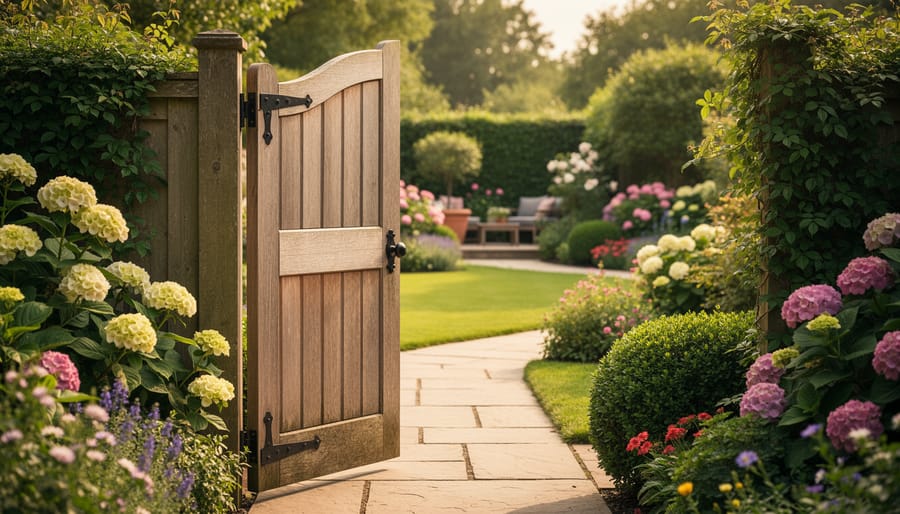
Hidden Garden Potential That Buyers Miss
Most auction attendees fixate on pristine properties with picture-perfect gardens, completely overlooking the real bargains. Properties with overgrown yards, cracked patios, or bare dirt where lawns should be consistently sell below guide price, not because they lack value, but because most buyers can’t see past the current mess to the transformation waiting underneath.
That tangled jungle choking the front yard landscaping? It might be hiding mature root systems and established perennials that simply need editing rather than replacement. The neglected vegetable beds ringed with weeds often indicate quality soil that previous owners invested in before life got busy. Properties with solid bones, good drainage, mature trees positioned for shade, existing hardscaping buried under debris, offer immediate advantages that new developments lack.
The sweetest opportunities come when auction photos show winter-dormant gardens or properties photographed during renovation chaos. Other bidders assume barrenness, while you recognize potential bulbs, sleeping perennials, and space for your vision. Where they see problems, you see a blank canvas priced for quick transformation.
When Mature Gardens Drive Prices Higher
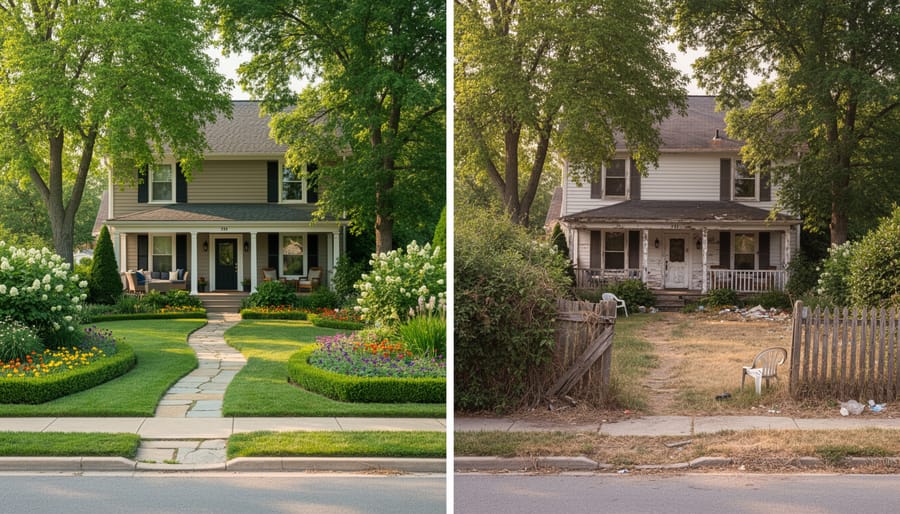
While many auction properties sell below market value, established gardens can trigger fierce bidding wars that drive final prices 20-30% above guide. Mature specimen trees, particularly rare varieties or well-formed standards over 15 years old, signal instant curb appeal that buyers recognize immediately. Properties with professionally designed hardscaping, established perennial borders, and healthy hedge boundaries demonstrate years of investment that newcomers cannot replicate quickly.
Watch for auction listings that mention specific landscape features: a century-old wisteria, espaliered fruit trees, or established rose gardens often indicate the current owner invested serious time and expertise. These properties attract not just gardening enthusiasts but general buyers seeking move-in-ready outdoor spaces, expanding the competition pool significantly. The presence of mature ornamental grasses, architectural plants like Japanese maples, or rare cultivars can push emotional bidding beyond rational price points.
Spot these high-value gardens by requesting viewing appointments and assessing plant health, diversity, and design cohesion. If the garden shows thoughtful layering, seasonal interest, and well-maintained infrastructure like irrigation or raised beds, expect the final hammer price to exceed the guide substantially. Sometimes the garden itself becomes the property’s main selling feature rather than the house.
Reading Between the Price Lines: What to Research First
Before you raise your hand on auction day, thorough research separates smart gardeners from disappointed bidders. The guide price is just your starting point, what you discover during due diligence determines whether a property is genuinely worth pursuing or a money pit disguised as potential.
Start with comparable sales data from both traditional and auction markets in the same neighborhood. Properties sold at foreclosure auctions in early 2026 averaged 67.6% of retail market value, giving you a benchmark for reasonable expectations. Check recent auction results for similar garden-sized properties, then compare them against standard market sales. This gap reveals whether your target property’s guide price aligns with reality or reflects wishful thinking by the seller.
Next, assess the garden itself with the same scrutiny you’d apply to the building’s foundation. Walk the property during your inspection period, not just once, but at different times of day to observe drainage patterns, sun exposure, and how neighboring properties affect growing conditions. Understanding garden soil quality can save you thousands in remediation costs, so bring basic testing equipment or arrange for samples. You’ll want to test your soil nutrientspH levels, and contamination risks, especially for urban or formerly industrial sites.
Create a research checklist to keep your due diligence organized:
- Verify property boundaries and confirm garden square footage matches auction documents
- Review planning restrictions that might limit garden structures or landscaping changes
- Document existing plants worth preserving and estimate their replacement cost
- Calculate transformation expenses including soil amendment, hardscaping, and initial plantings
- Factor in your 10% deposit requirement and additional buyer costs beyond the hammer price
Your maximum bid should work backward from your total budget. If you have £200,000 available, subtract at least 15% for buyer’s premium and fees, another 10% for immediate garden renovation, and keep a contingency reserve. That might leave £140,000 as your absolute ceiling, and you should stop bidding well before reaching it if competition heats up.
The Money You Need Beyond the Guide Price
The winning bid is just the beginning of your financial commitment. Most auction properties require a 10% deposit immediately after the hammer falls, so if you win a property at £200,000, you’ll need £20,000 ready that day, typically as a certified check or bank draft. This deposit locks in your purchase and demonstrates serious intent.
Next comes the buyer’s premium, an additional fee charged by the auction house that ranges from 2% to 5% of the final bid price. On that same £200,000 property, you might pay an extra £4,000 to £10,000 depending on the auction house’s structure. Factor this in when setting your maximum bid, because it can push your total cost significantly higher than the number you called out.
Legal fees for auction purchases typically run £1,000 to £2,500, as you’ll need a solicitor to handle contracts and title transfers quickly, auction completions usually happen within 28 days, much faster than standard property purchases. Your solicitor should review the legal pack before auction day to identify any hidden issues.
Then there’s the garden transformation budget. That overgrown jungle you’re planning to convert into a showpiece needs realistic funding. Budget for soil testing and amendments, new plants and trees, hardscaping materials, and potentially professional help for major projects. If you’re acquiring a property in late autumn, remember you’ll need to winterize your lawn and protect any existing plantings while planning spring transformations.
Add up every component, deposit, premium, legal fees, and garden renovation costs, before auction day. Only then will you know the true investment required to turn that auction find into your dream garden property.
How to Set Your Garden Property Budget
Start by determining your absolute spending ceiling, not just what you’re comfortable bidding, but the total amount you can realistically invest including the property, all auction costs, and the garden transformation you’re envisioning. Many buyers make the mistake of focusing solely on the guide price and forgetting that you’ll need a 10% deposit on auction day, plus funds for garden renovations that might run anywhere from a few thousand for basic landscaping to tens of thousands if you’re creating elaborate outdoor art installations.
Work backward from your total budget using this framework:
- Calculate your maximum all-in budget, including mortgage limits and available cash reserves.
- Subtract estimated garden transformation costs, consider soil amendments, plantings, hardscaping, and any art features you plan.
- Deduct auction fees like buyer’s premium, legal costs, and survey expenses (budget at least 5-10% beyond the hammer price).
- Reserve an emergency fund for unexpected discoveries like drainage issues or poor soil quality.
- What remains is your absolute maximum bid amount, write it down and don’t exceed it.
Remember that current market conditions favor buyers, with foreclosure properties averaging 67.6% of retail value in Q1 2026, but garden properties with potential often attract competition from landscape-focused buyers who can see what you see. Be realistic about your garden plans: the budget to transform a small garden differs vastly from creating a sprawling outdoor sanctuary. Factor in whether you’ll tackle projects yourself or hire professionals, and build cushion into your estimates. Your maximum bid should leave you financially comfortable to actually create the garden space that attracted you to the property in the first place.

Auction Day Strategy: When to Bid and When to Walk Away
Walking into an auction room, or logging into an online bidding platform, with a property that has that perfect south-facing garden or mature apple trees can make your heart race. That emotional pull is exactly why you need a bulletproof strategy before the gavel starts moving.
Calculate your absolute maximum before auction day, and write it down. Not in your head where excitement can nudge it upward, but on paper where it stays fixed. Start with what you can afford to pay total, subtract your 10 percent deposit, buyer’s premium, legal fees, and a realistic budget for the garden transformation you’re envisioning. What’s left is your ceiling, and crossing it turns a dream property into a financial burden that’ll drain the joy from every planting season.
Watch the room’s energy as much as the auctioneer. When bidding jumps in large increments and multiple hands keep flying up, you’re watching competition override value. Properties can easily climb 20 to 30 percent above guide prices when bidders get locked in battle mode, particularly for homes with established gardens that trigger that “must-have” response. If your number gets passed while you’re still in the lower third of bidding, that’s useful information, the market values this property differently than you do.
Know your walk-away signals. If you’re justifying going higher by telling yourself you’ll skip the pergola project or plant fewer specimen trees, you’re already compromising the vision that made you want the property. There will be other auctions, other gardens waiting for someone who sees their potential. The right property is one you can afford to transform, not just afford to buy.
Understanding auction guide prices transforms how you approach property hunting. Instead of feeling overwhelmed by auction jargon or intimidated by fast-paced bidding, you now have the knowledge to evaluate properties with confidence and spot genuine opportunities others might overlook.
Guide prices are tools, not barriers. They give you a starting point for research, not a ceiling on what your dream garden space should cost. When you combine this pricing knowledge with vision for outdoor transformation, you can identify properties with incredible garden potential that fit within your budget. That overgrown backyard or neglected patio space someone else sees as a problem becomes your canvas for creating something extraordinary.
The auction market in 2026 presents real opportunities for gardeners willing to do their homework. Properties with underdeveloped outdoor spaces often attract fewer bidders, creating chances to acquire land with good bones at fair prices. Your ability to see past current conditions to future possibilities gives you an advantage.
We would love to hear your auction journey. Have you discovered a hidden gem at auction and transformed its outdoor space? Are you currently researching properties with garden potential? Share your experiences, questions, and transformation stories with the GardenSculpt community. Your insights help fellow gardeners navigate their own auction adventures, and your success stories inspire others to see the masterpiece waiting in every neglected garden space.