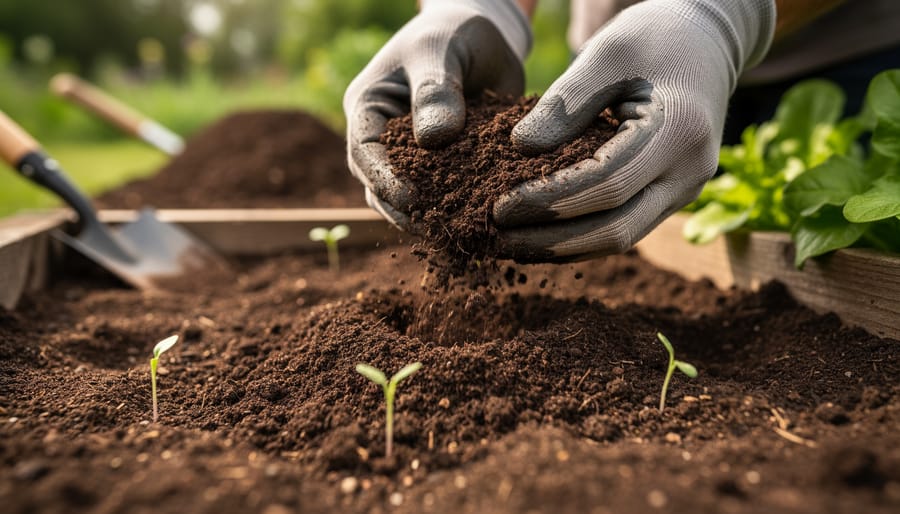
Gardening soil is the prepared growing medium that provides plants with physical support, water, air, and nutrients needed for healthy development. More than just dirt from your yard, quality gardening soil combines mineral particles, organic matter, living organisms, water, and air in proportions that encourage root growth and plant vitality.
The difference between thriving vegetables that produce armfuls of tomatoes and stunted plants that barely survive often comes down to what’s happening beneath the surface. Your soil determines whether water drains too quickly or pools around roots, whether nutrients reach plant cells or wash away unused, and whether beneficial microbes flourish or struggle to survive. Understanding how to prepare and test your soil transforms gardening from a gamble into a predictable, rewarding craft.
This guide walks you through the essential knowledge every gardener needs about soil composition, preparation techniques, and nutrient assessment. You’ll discover how different soil types behave, which amendments improve structure and fertility, and how to read soil test results without needing a chemistry degree. We’ll also explore how thoughtful soil choices contribute to garden aesthetics, from creating raised beds with distinct visual layers to building berms that add sculptural dimension to flat landscapes.
Whether you’re planning your first vegetable patch or reimagining an established garden space, soil preparation deserves attention before a single seed goes in the ground. The hours spent building healthy soil repay themselves many times over in vibrant growth, reduced maintenance, and the creative freedom to bring your garden vision to life.
Understanding Gardening Soil: The Foundation of Your Garden Canvas
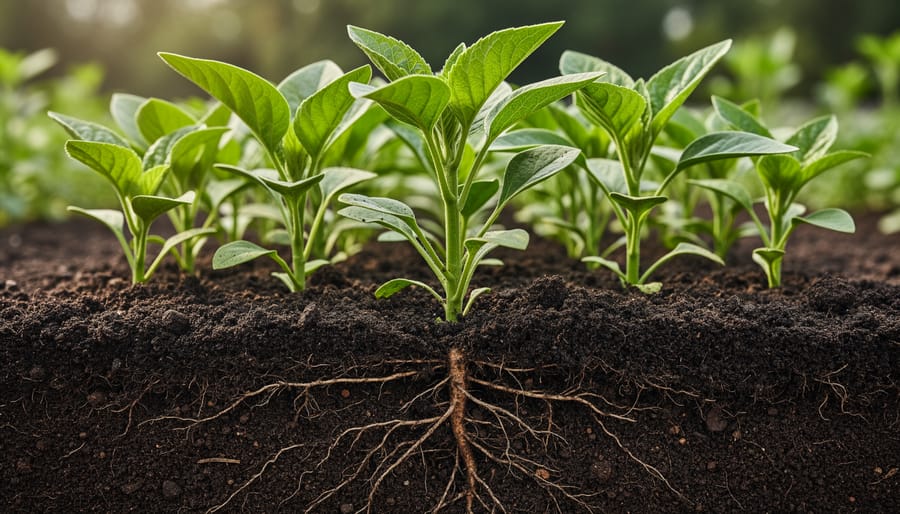
Gardening soil is far more than the brown stuff beneath your feet. It’s a living, breathing foundation that determines whether your garden thrives as a vibrant work of art or struggles to survive. At its core, healthy soil is mineral, air, water organic matter, and countless microorganisms working together in a delicate balance. This complex ecosystem provides everything your plants need: nutrients, structural support, moisture, and the biological activity that transforms raw materials into accessible food.
Understanding what makes up quality gardening soil starts with knowing its essential components:
- Mineral Particles
- Sand, silt, and clay fragments that form soil’s physical structure and determine texture, drainage, and nutrient-holding capacity.
- Organic Matter
- Decomposed plant and animal material that feeds soil life, improves structure, and gradually releases nutrients plants can use.
- Soil Microorganisms
- Bacteria, fungi, and other tiny creatures that break down organic matter, cycle nutrients, and protect plants from disease.
- Pore Spaces
- The gaps between soil particles that hold air and water, allowing roots to breathe and moisture to move through the soil profile.
- Water-Holding Capacity
- The soil’s ability to retain moisture for plant use while still draining excess water to prevent root rot and compaction.
This differs dramatically from “dirt,” which is essentially dead, displaced soil, or basic topsoil sold by the bag, which often lacks the living components and balanced structure true gardening soil provides. Healthy plants start with healthy soil, and that principle extends beyond plant survival to the artistic vision of your garden design.
When soil quality is right, plants grow with the vigor and color that bring your design to life. Poor soil shows up as weak growth, faded foliage, and structural problems that undermine even the most thoughtful planting arrangements. Your Soil 101 knowledge becomes the invisible framework supporting every aesthetic choice, from bold sculptural plantings to delicate texture contrasts. The soil you build today shapes the garden masterpiece you’ll enjoy for years to come.
How Gardening Soil Works: The Science Behind Thriving Gardens
The Role of Soil Structure and Aeration
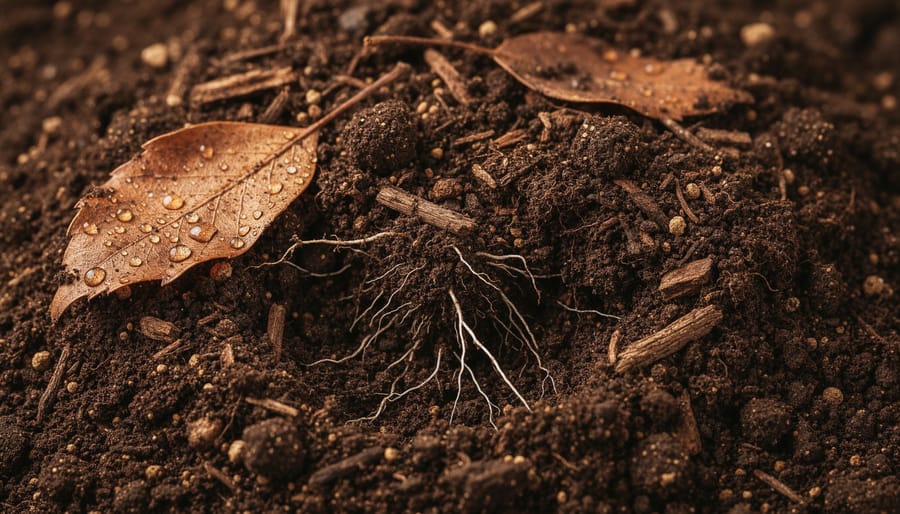
Soil structure determines whether your plants will thrive or struggle. Think of structure as the arrangement of soil particles and the spaces between them, those gaps are where roots explore, water drains, and oxygen flows. When structure is healthy, roots penetrate easily and plants develop strong anchor systems that support lush growth and artistic garden designs.
Compaction destroys this architecture. When soil particles squeeze together from foot traffic, heavy equipment, or repeated tilling, pore spaces collapse. Compaction reduces water infiltration and blocks oxygen from reaching roots, creating a hostile environment that stunts plants no matter how carefully you water or fertilize. You’ll notice compacted soil feels hard underfoot and resists a shovel.
Breaking up compaction requires working soil when it’s neither waterlogged nor bone-dry. If your soil feels heavy or sticky, pause before digging, working wet ground makes compaction worse. When conditions are right, use a garden fork to gently lift and loosen soil, creating channels for air and water without destroying beneficial structure.
For clay-heavy soils that compact easily, consider amendments like Garden-Ville Anti Fuego, an effective soil conditioner that helps break up dense layers. Improved aeration transforms struggling beds into thriving planting zones, giving you the healthy foundation that supports both plant vigor and the sculptural garden visions you want to create. Your spring planting success starts with soil you can work with your hands, not against it.
Water Management: Drainage and Retention
Water moves through soil in a delicate dance of absorption and release. Good garden soil holds enough moisture to sustain roots between waterings, yet drains excess water quickly enough to prevent drowning. This balance determines not only plant survival but also influences your design choices, where you can place moisture-loving ferns versus drought-tolerant succulents, and which areas of your garden canvas support different artistic visions.
Clay soils retain water stubbornly, often creating soggy conditions that rot roots and limit your planting palette. Sandy soils drain too quickly, forcing you to water constantly and restricting you to drought-tolerant plants. The ideal is soil that feels slightly moist but crumbles in your hand, draining well while maintaining adequate moisture reserves.
Working on waterlogged ground can cause more harm than good. When you dig or walk on saturated soil, you compress air pockets and create dense, oxygen-starved zones that roots can’t penetrate. If your soil feels heavy or sticky, pause before digging. Wait until it’s workable, moist but not sodden, before preparing beds or repositioning plants. This patience protects your soil’s structure and gives you the healthy foundation your garden design deserves.
Types and Components of Gardening Soil
Soil Amendments and Conditioners
Soil amendments and conditioners are the secret ingredients that transform struggling soil into a thriving foundation for your garden masterpiece. Compost stands as the gold standard amendment, enriching soil with organic matter that improves structure, feeds beneficial microbes, and supports nutrient availability. Adding compost creates darker, richer soil that not only nourishes plants but enhances the visual depth of your garden beds. For those new to working with organic matter, our composting guide walks you through the basics of creating your own soil-enriching material.
When dealing with heavy clay or compacted ground, specialized conditioners become essential. Garden-Ville Anti Fuego is an effective soil conditioner that helps break up compacted and clay-heavy soils, restoring the structure plants need to thrive. These products work by improving soil aggregation, allowing roots to penetrate more easily and water to move through the profile instead of pooling on the surface.
The transformation goes beyond plant health. Properly amended soil creates better drainage patterns, supports stronger root systems, and gives you more flexibility in plant placement. Well-structured soil holds its form in raised beds and borders, maintaining clean lines that enhance your garden’s artistic vision while providing the foundation healthy plants demand.
Soil Preparation: Readying Your Garden Canvas
Preparing your garden soil well transforms a flat, lifeless bed into a foundation that supports both healthy plants and beautiful design. The work you put in now determines whether your artistic vision flourishes or struggles.
Start by checking if your soil is actually ready to work. Squeeze a handful. If it feels heavy, sticky, or forms a dense ball that won’t crumble, wait. Working on waterlogged ground can cause more harm than good, creating compacted zones that suffocate roots and ruin drainage for years. Soil should feel slightly moist and break apart easily when you press it.
Timing matters more than most gardeners realize. Early spring tempts you to dig the moment snow melts, but patience pays off. If your soil feels heavy or sticky, pause before digging. Give it a few extra days to dry. You’ll know it’s ready when a shovel slides in cleanly and the soil falls away from the blade rather than clinging in heavy clumps.
When soil is ready, focus on breaking up compaction and improving aeration. Use a garden fork rather than a spade for this work. Push it in vertically and rock it back gently to create fissures without flipping layers. Work your way across the bed systematically, spacing fork insertions about six inches apart. This opens channels for air, water, and roots without destroying the soil’s existing structure.
Clay-heavy or severely compacted soils need more help. Garden-Ville Anti Fuego is an effective soil conditioner that helps break up compacted and clay-heavy soils. Work it into the top six to eight inches along with compost. The combination loosens tight particles and feeds the microbial community that keeps soil alive.
Avoid walking on prepared beds. Every footstep compresses air pockets you just created. Lay down boards to distribute your weight if you must cross a bed, or design pathways that keep foot traffic off planting areas entirely. Avoid soil compaction for healthy gardens and you’ll notice the difference in root development and overall plant vigor.
Healthy plants start with healthy soil. Once you’ve loosened and amended your beds, rake the surface level, breaking up any remaining clumps. Your canvas is ready.
Nutrient Testing: Reading Your Soil’s Story
Your soil holds a wealth of information about what will thrive in your garden and where. Soil nutrient testing reveals the chemical story beneath your feet, showing you not just what your plants need, but which species will naturally excel in different areas of your landscape. This knowledge transforms guesswork into intentional design decisions.
Testing tells you about the fundamental building blocks your soil offers. The key nutrients reveal different aspects of soil health and plant compatibility:
- Nitrogen (N), indicates soil’s ability to support leafy growth and lush foliage; crucial for plants you want to develop dense, verdant canopies
- Phosphorus (P), shows potential for strong root development and flowering; essential for understanding where to place blooming focal points
- Potassium (K), reflects overall plant vigor and disease resistance; important for long-term garden resilience
- pH level, determines nutrient availability and which plants will naturally thrive; acidic soils suit azaleas and blueberries, while alkaline conditions favor lavender and clematis
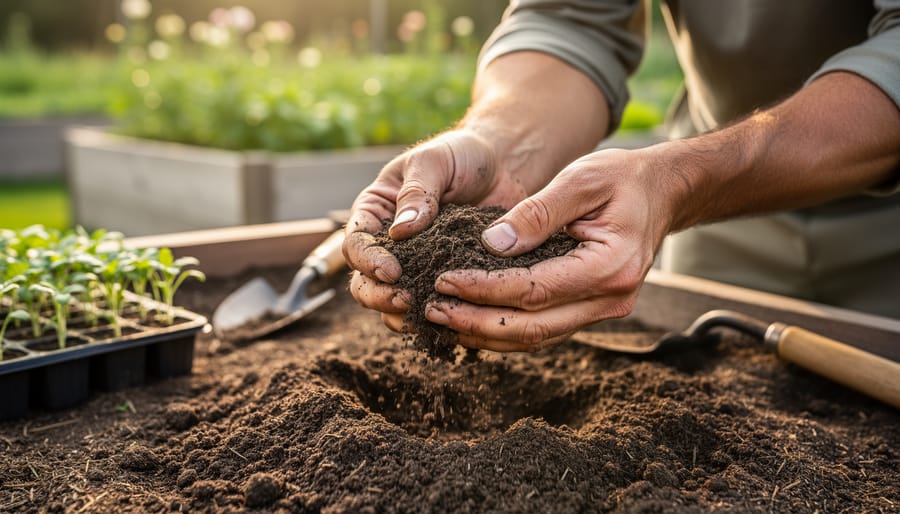
Basic home test kits make this process accessible. Collect samples from different garden zones, especially if you notice varying plant performance across your space. Mix each sample thoroughly, follow the kit instructions, and record results by location. You’re creating a nutrient map of your canvas.
The results guide both amendments and design choices. Low nitrogen in one bed might make it perfect for Mediterranean herbs that prefer lean soil, while a phosphorus-rich area becomes your natural spot for a flowering border. Instead of fighting your soil’s nature, you’re working with it to create zones where specific plants will naturally flourish. This approach produces healthier gardens with less ongoing intervention and allows you to craft distinct visual experiences in different areas, each supported by the soil’s inherent qualities.
Uses: How Gardening Soil Shapes Your Outdoor Masterpiece
Well-prepared soil isn’t just a growing medium, it’s the foundation that lets you realize your garden vision, whether you’re planting a classic border or sculpting living art. Every garden style depends on matching soil conditions to plant needs and design intent.
In-ground gardens benefit most when you improve native soil rather than replace it entirely. Breaking up compaction and boosting organic matter creates a stable base for perennial borders, where plants need to establish deep roots over years. The same principle applies to sculptural plantings: dramatic height contrasts and bold foliage rely on healthy root systems that only well-aerated soil can support.
Raised beds give you total control over soil composition, letting you tailor conditions to specific plant groups. You can create acidic soil for azaleas in one bed while maintaining neutral soil for vegetables in another, all within the same garden. This flexibility makes raised beds ideal for designing distinct garden rooms or color-themed plantings where soil chemistry matters.
Container gardening opens design possibilities that in-ground beds can’t match, portability, vertical layers, and the ability to start container plants in spots with poor native soil or no ground access at all. Balconies, patios, and poolside areas become canvases when containers let you bypass soil limitations. The key is choosing potting mix that drains freely while holding enough moisture, a different balance than in-ground soil, and matching container size to mature plant dimensions. For fresh approaches to placement and plant pairings, explore diverse container ideas that transform vertical and horizontal space.
- Foundation for perennial borders that mature and deepen over years
- Support for sculptural plantings with dramatic height and form contrasts
- Container garden vitality through proper drainage and moisture balance
- Raised bed productivity with customized soil for each plant group
- Creative garden design enabled by soil tailored to your artistic vision
Landscape design decisions hinge on soil realities. A slope with sandy, free-draining soil invites Mediterranean plantings and drought-tolerant grasses, while a low spot with moisture-retentive clay becomes the natural home for rain garden species. Understanding your soil’s character lets you work with the site instead of fighting it, creating gardens that thrive with less intervention and look effortlessly integrated into their setting.
Common Soil Questions from the GardenSculpt Community
Do I really need to add compost to my soil?
While not always essential, compost transforms most soils by improving structure, adding nutrients, and supporting beneficial microbes. It’s especially valuable in clay-heavy or sandy soils where it balances texture and helps both drainage and water retention.
How do I avoid compacting my soil when I work it?
Never dig or walk on wet soil, if it feels heavy or sticky, pause before working it. Wait until soil crumbles easily in your hand, and consider using boards or stepping stones to distribute your weight when you must access planted areas.
Why does my soil feel heavy and sticky?
Heavy, sticky soil signals excessive moisture or high clay content. Working waterlogged ground causes compaction that damages soil structure and harms plant roots, so always wait for soil to dry to a workable consistency before digging.
What’s the difference between soil for in-ground gardens versus containers?
Container gardens need lighter, well-draining mixes with excellent aeration since roots can’t spread beyond the pot. In-ground beds benefit from amendments that improve your native soil, while containers typically require purpose-made potting mixes rather than garden soil.
Beyond these common questions, many gardeners wonder how to fix severely compacted soil. For clay-heavy ground that resists a shovel, products like Garden-Ville Anti Fuego break up tight structure and improve aeration over time. Apply these conditioners in fall or early spring, then let them work into the soil before planting season arrives.
Timing matters more than most realize. Healthy plants start with healthy soil, and soil starts with proper preparation. When preparing beds for spring planting, focus on breaking up compaction and improving aeration rather than rushing to get seeds in the ground. The extra week you spend creating ideal soil conditions pays back tenfold in vigorous growth and reduced maintenance throughout the season.
If you’re designing a sculptural garden with varied plantings, test soil in multiple spots rather than assuming uniform conditions. A sunny corner might drain beautifully while a shaded depression stays soggy, and these differences should guide where you place moisture-loving ferns versus drought-tolerant sedums. Let your soil tell you what wants to grow where, then design around those natural strengths rather than fighting them.
Understanding your soil is the starting point for any garden that truly thrives. From breaking up compaction to testing nutrient levels, the work you put into preparing your canvas pays off in healthier plants, better drainage, and a more beautiful outdoor space. Healthy plants start with healthy soil, and when you treat soil as the foundation of your garden design rather than just dirt beneath your feet, you open up endless creative possibilities.
Whether you’re planning raised beds, container arrangements, or in-ground gardens, the principles remain the same: know your soil type, improve its structure, and match your plants to what your ground can realistically support. The sculptural quality of your garden, the vibrancy of your blooms, and the overall success of your outdoor artistry all trace back to those first steps of soil preparation.
We’d love to hear about your soil journey. What challenges have you faced when preparing beds for spring planting? Have you discovered amendments or techniques that transformed a stubborn patch of ground? Head over to the GardenSculpt forum to share your experiences, ask questions, and connect with fellow garden artists who understand that great gardens start from the ground up. Your soil stories might inspire someone else’s next outdoor masterpiece.