
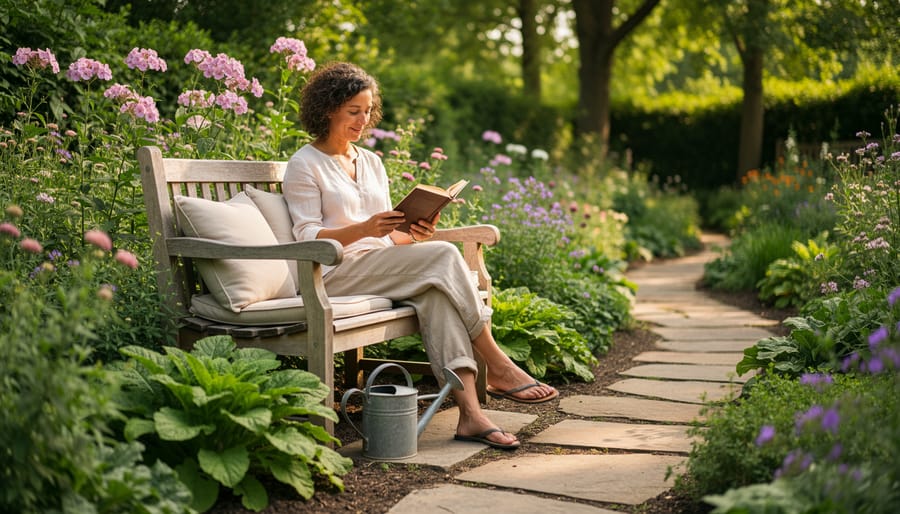
Leisure gardening is a mindset shift that prioritizes enjoyment and creative expression over productivity, transforming your outdoor space into a stress-free retreat rather than a demanding project list. Instead of measuring success by harvest yields or flawless flower beds, this approach celebrates the simple pleasure of being among plants, experimenting with design ideas at your own pace, and letting go of rigid maintenance schedules that turn gardening into a chore.
The concept is resonating with people who’ve realized their gardens have become sources of guilt rather than joy. Traditional gardening advice often emphasizes relentless weeding, precise fertilizing schedules, and picture-perfect aesthetics that require constant upkeep. Leisure gardening flips that script entirely. It welcomes imperfection, encourages you to plant what genuinely excites you, and gives you permission to skip tasks when life gets busy or you’d simply rather sit with a book under your favorite tree.
What makes this different from simply neglecting your garden? Intention. Leisure gardening means making deliberate choices that reduce pressure while increasing satisfaction. You might choose perennials that thrive with minimal intervention, create dedicated seating areas that invite you to actually use the space, or focus your energy on one beloved garden bed while letting other areas grow more naturally.
This philosophy aligns beautifully with treating your garden as an evolving art project rather than a never-ending maintenance cycle. The goal is genuine connection with your outdoor space, on your terms, without the perfectionism that drains the pleasure from what should be a restorative activity.
What Makes Leisure Gardening Different
Leisure gardening represents a fundamental shift in how we approach our outdoor spaces. Instead of measuring success by harvest weight or flawless flowerbeds, this philosophy centers on what brings you personal joy, creative satisfaction, and genuine relaxation. Your garden becomes less of a project to complete and more of a living space to inhabit.
At its core, leisure gardening rejects the productivity mindset that dominates traditional gardening. There’s no obligation to fill every square foot with vegetables or maintain immaculate borders. You’re free to leave a patch of grass for morning coffee, dedicate a corner to bird-watching, or plant flowers simply because their fragrance makes you smile. The focus shifts from output to experience, how the garden makes you feel when you’re in it.
This approach resonates deeply in 2026 because it aligns with broader cultural movements toward wellness and intentional living. We’re collectively reconsidering what “productive” means in our personal lives. After years of optimization and hustle culture, many gardeners are discovering that a space designed for restoration and creativity offers far more value than one built around maximum yield.
Leisure gardening also embraces imperfection. Bare soil doesn’t signal failure, it might be a contemplative gravel path. That shady spot where nothing thrives? Perfect for a bench and ferns. The philosophy parallels concepts from healing therapy garden design, recognizing that gardens serve emotional and mental health just as legitimately as they provide tomatoes.
What makes this different from simply having a low-maintenance garden is the intentionality. You’re actively choosing elements that spark delight, support creative expression, and invite you to actually spend time outdoors. It’s gardening with your wellbeing as the primary harvest.
The Rise of Leisure Gardening in 2026
The timing of leisure gardening’s rise is no accident. After years of relentless productivity culture and screen-saturated days, people are craving something different from their outdoor spaces. They want a garden that gives back emotionally, not just one that demands constant attention and labor.
This shift mirrors broader changes we’re seeing across society. Wellness has moved from buzzword to genuine priority, with millions actively seeking ways to reduce stress and reclaim personal time. The garden is emerging as a perfect answer, a space where you can disconnect from digital overload and simply exist among living things. It’s not about growing the biggest tomatoes or maintaining a showroom-perfect lawn anymore. It’s about creating an environment that actually restores you.
Work-from-home arrangements have also changed how we see our backyards. When your home office window overlooks your outdoor space, or when you can take a midday break on your patio, the garden becomes part of your daily landscape rather than a weekend project. People who never thought much about their yards are now asking how to make them more inviting, more beautiful, more usable.
The gardening industry has noticed. The Garden Centres Canada Summit held July 5-8 in Québec, brought together professionals discussing this exact trend. Garden centres are rethinking their offerings to serve gardeners who prioritize enjoyment over yield. You’ll find more comfortable seating displays, artistic containers, and sensory plants featured prominently now. The Spring Seminar on March 28 at Burnaby’s Michael J. Fox Theatre drew gardeners eager to explore creative approaches, with a marketplace showcasing local vendors who understand this evolving mindset.
Creative hobbies are having a moment, too. Leisure gardening fits perfectly alongside activities like painting, photography, and journaling, pursuits done purely for the joy they bring. It’s giving people permission to slow down, to prioritize beauty and pleasure, and to measure success by how a space makes them feel rather than how much it produces. That’s a fundamentally different relationship with the garden, and it’s striking a chord with gardeners who are tired of feeling guilty about wanting their outdoor time to feel less like work.
Core Elements of a Leisure Garden
Creating Spaces for Relaxation
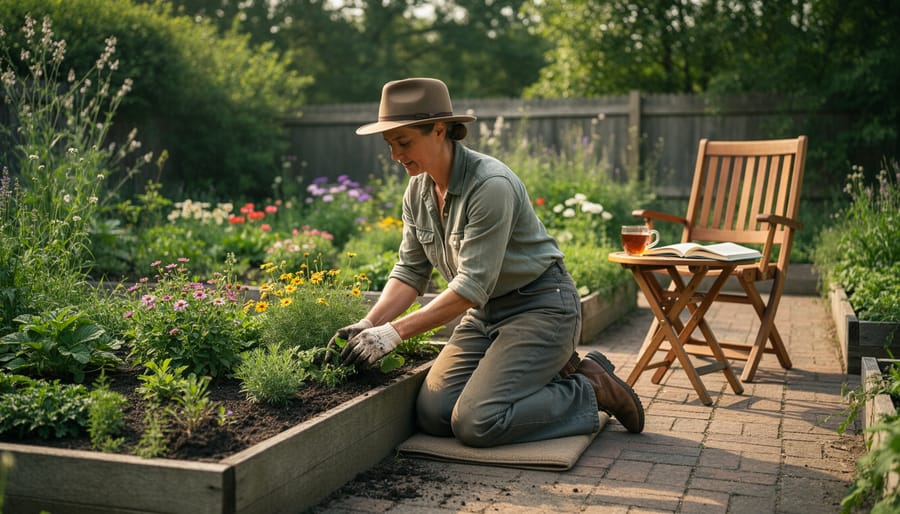
A comfortable seating area transforms your garden from a space you work in to one you actually inhabit. Start by identifying spots you’re naturally drawn to, maybe a corner that catches morning sun or a shaded nook that stays cool in summer. Place a weather-resistant bench, a pair of Adirondack chairs, or even a simple bistro set there. The furniture doesn’t need to be expensive; what matters is that it’s genuinely inviting enough that you’ll use it.
Shade structures extend your garden enjoyment through the hottest parts of the day. A pergola draped with climbing vines creates dappled light and a sense of enclosure without blocking views entirely. Canvas shade sails offer a modern alternative and can be angled to follow the sun’s path. Even a large market umbrella anchored near your seating can make the difference between five minutes outside and an hour with your book.
Consider incorporating backyard landscape ideas that create contemplative zones, small, purposeful spaces designed for quiet observation. A strategically placed bench facing a blooming border, a stone seat tucked beside a water feature, or a hammock strung between two trees all serve this purpose. Add a small side table for your coffee cup, and you’ve created a destination within your garden rather than just a pass-through space.
Artistic Expression Through Plants and Sculptures
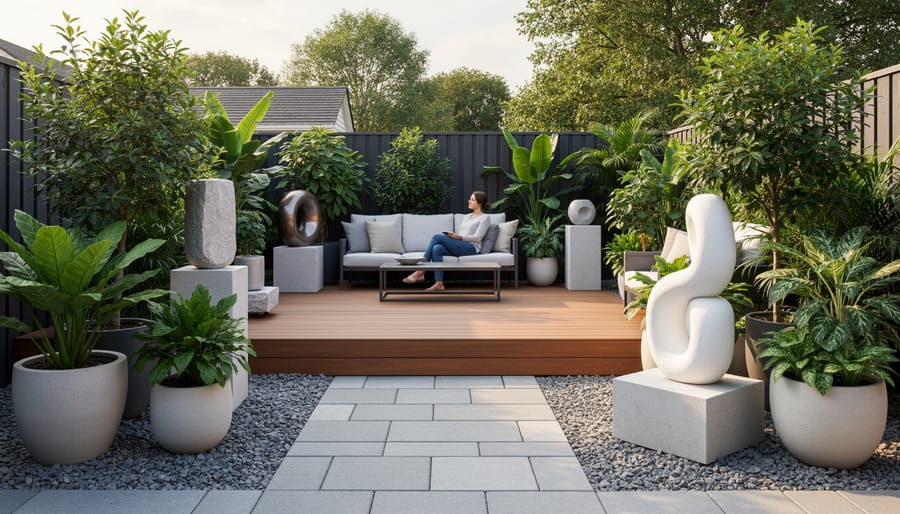
Your garden becomes a living gallery when you intentionally pair plants with sculptural pieces. Start by choosing one or two focal points, a handcrafted metal sculpture, a ceramic vessel, or a weathered stone piece, and let plants frame them rather than compete. Trailing vines softening the edges of a bold contemporary sculpture create dialogue between art and nature. Creative containers transform ordinary plantings into statements: repurpose vintage finds, commission ceramic pieces from local artists, or cluster mismatched pots in deliberate color stories.
Think of plant selection as curating texture and form, not just collecting specimens. Pair the architectural leaves of hostas or ornamental grasses with smooth sculptures for contrast. Use color-blocked plantings as backdrops that make art pop, imagine chartreuse coleus behind dark bronze figures. Vertical elements like obelisks or DIY trellis designs add height and rhythm, turning flat beds into dimensional experiences.
The beauty of this approach is its invitation to experiment without rules. Swap pieces seasonally, move containers to create new compositions, and let your aesthetic evolve. Your garden stops being a maintenance project and becomes an outdoor studio where every visit offers fresh visual discoveries.
Low-Effort, High-Joy Planting Choices
The smartest leisure gardeners choose plants that practically take care of themselves while delivering maximum sensory reward. Perennials like lavender, Russian sage, and sedum return year after year with minimal fuss, offering fragrance, movement, and pollinator activity that makes a garden feel alive. Ornamental grasses such as fountain grass or blue fescue add texture and sound as they rustle in the breeze, creating dynamic visual interest through multiple seasons without deadheading or staking.
Layer in spring bulbs like daffodils and alliums that naturalize on their own, then complement them with summer bloomers such as coneflowers and black-eyed Susans that reseed gently and tolerate dry spells. For shaded areas, hostas and ferns provide lush foliage without constant watering or feeding.
Ground covers like creeping thyme or ajuga suppress weeds while releasing fragrance underfoot, turning maintenance into a pleasure. The trick is planting in generous drifts rather than fussy arrangements. This creates bold color impact and allows plants to support each other, reducing the need for individual attention while you enjoy your morning coffee surrounded by blooms that practically tend themselves.
Leisure Gardening Activities That Bring More Joy
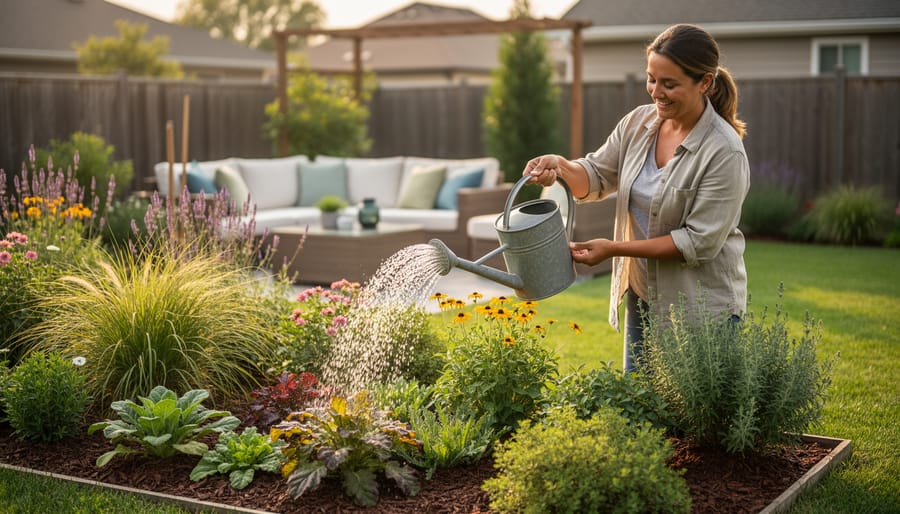
The best leisure gardens aren’t just beautiful to look at, they’re designed to be lived in. Rather than spending every weekend weeding, pruning, and troubleshooting, leisure gardening invites you to slow down and actually enjoy your outdoor space through simple, pleasurable rituals.
Start with small, sensory pleasures. A morning walk through the garden with coffee in hand transforms your routine. You’ll notice dew on spider webs, catch the scent of opening roses, and hear birds that you’d miss while rushing to deadhead flowers. This five-minute ritual costs nothing but shifts your entire relationship with the space.
Nature journaling deepens this connection without adding work. Keep a simple notebook in your garden shed and jot down what’s blooming, which butterflies visited, or how the light hits the patio at sunset. Sketching a single leaf or seedpod grounds you in the present moment. There’s no pressure to be artistic, it’s about observation and personal reflection, not perfection.
Photography offers another low-effort way to engage creatively with your garden. Instead of documenting every plant for identification, focus on capturing mood: raindrops on petals, morning mist, the play of shadows through trellis work. Your garden becomes an evolving subject rather than a project demanding completion.
Here are five rituals that embody the leisure gardening approach:
- Establish a morning coffee spot with a dedicated chair or bench positioned to catch early light
- Keep a “pottering basket” with gloves, secateurs, and a trowel for spontaneous, unhurried fifteen-minute sessions
- Schedule weekly outdoor meals in the garden, even if it’s just a sandwich on the patio
- Create a sunset viewing ritual where you sit quietly and watch the day’s light change across your plants
- Invite a friend for monthly garden visits focused on conversation and connection, not garden tours or advice-seeking
Transform your space into an entertainment venue without stress. A simple garden party setup with string lights, comfortable seating, and a few lanterns creates an inviting atmosphere. You don’t need elaborate landscaping or a spotless lawn, ambiance matters more than horticultural perfection.
The key difference is intention. Traditional gardening measures success by harvest weight or flawless borders. Leisure gardening measures it by how often you smile in your space, how many evenings you linger outside, and whether your garden genuinely adds joy to daily life rather than another obligation.
Getting Started: Shifting Your Garden Mindset
The shift to leisure gardening isn’t about abandoning everything you know. It’s about reframing what success looks like in your outdoor space. Instead of measuring accomplishment by how many tomatoes you harvested or whether every bed is perfectly weeded, you start asking different questions: Did I feel relaxed when I was out there? Did I notice something beautiful? Did this space bring me joy today?
Start by giving yourself explicit permission to garden differently. You’re not being lazy by wanting a hammock instead of another vegetable row. You’re not wasting space by dedicating a sunny corner to a seating area surrounded by fragrant herbs rather than maximizing yield. These choices reflect a valid, intentional approach to outdoor living.
Begin your transition by identifying one area that currently feels like an obligation. Maybe it’s that sprawling vegetable patch that’s become more stressful than rewarding, or the high-maintenance perennial border that demands constant deadheading. Ask yourself honestly: does this bring me pleasure, or does it just feel like outdoor homework? If it’s the latter, consider transforming it. That vegetable garden could become a smaller, easier kitchen garden with a bistro table for morning coffee among the basil and cherry tomatoes. The demanding border might transition to tough, beautiful plants that look after themselves while you actually sit and enjoy them.
Redefine productive time in the garden. Sitting quietly and observing pollinators counts. Sketching garden plans with coffee in hand counts. Even simple tasks like beginner composting can become meditative rather than another chore when you approach them without pressure or rigid timelines.
The hardest part is often internal. Many gardeners carry guilt about “unproductive” space or worry what neighbors might think. Remember that your garden exists for you, not for external validation. A space that makes you want to be outside, that greets you with beauty and welcomes you to linger, is working exactly as intended.
Connecting With the Leisure Gardening Community
The leisure gardening movement thrives on shared experiences, and connecting with like-minded gardeners can amplify your enjoyment while sparking fresh ideas. One of the easiest ways to start is by joining online communities where members celebrate creative approaches rather than competition. Platforms like GardenSculpt offer spaces to share photos of your outdoor retreats, exchange tips for small garden upgrades and find inspiration from fellow enthusiasts who prioritize joy over perfection.
| Connection Method | Best For | Key Benefits |
|---|---|---|
| Online Forums & Communities | Daily inspiration and advice | Accessible anytime, diverse perspectives, photo sharing |
| Local Workshops & Events | Hands-on learning | In-person connection, expert guidance, local plant knowledge |
| Social Media Groups | Quick tips and trends | Real-time updates, video tutorials, broad reach |
Beyond digital spaces, in-person gatherings offer invaluable opportunities to deepen your leisure gardening practice. Events like the Spring Seminar 2026, held March 28 at the Michael J. Fox Theatre in Burnaby, bring together enthusiasts for education and a garden marketplace featuring local vendors. For industry professionals and serious hobbyists, the Garden Centres Canada Summit 2026 runs July 5-8 in Québec, offering three days of education, networking, and garden centre tours that showcase innovative approaches to outdoor living.
Look for similar workshops in your area where the focus is creativity and enjoyment rather than commercial production. Many botanical gardens, community centers, and independent nurseries host seasonal gatherings where you can meet neighbors who share your appreciation for artful, relaxing outdoor spaces. Sharing your journey, whether through photos on GardenSculpt or conversations at a local event, validates your approach and often reveals clever solutions you hadn’t considered.
Leisure gardening isn’t a compromise, it’s a reclaiming of what outdoor spaces should be: sources of joy, not endless to-do lists. You’re not abandoning gardening by prioritizing pleasure; you’re embracing its truest purpose. The most successful gardens aren’t necessarily the most productive. They’re the ones you actually want to spend time in.
Give yourself permission to design for delight. Plant what makes you smile. Create corners that invite you outside with your morning coffee. Let go of perfectionism and welcome the quiet satisfaction of tending something beautiful without pressure.
We’d love to see how you’re transforming your space into a personal retreat. Share your leisure gardening journey with the GardenSculpt community, your creative approach might inspire someone else to rethink their relationship with their garden. Whether you’re starting with a single comfortable chair surrounded by fragrant herbs or reimagining your entire backyard, you’re part of a movement that values presence over productivity.
Your garden is waiting. Not as a project demanding completion, but as a sanctuary ready to welcome you home.