
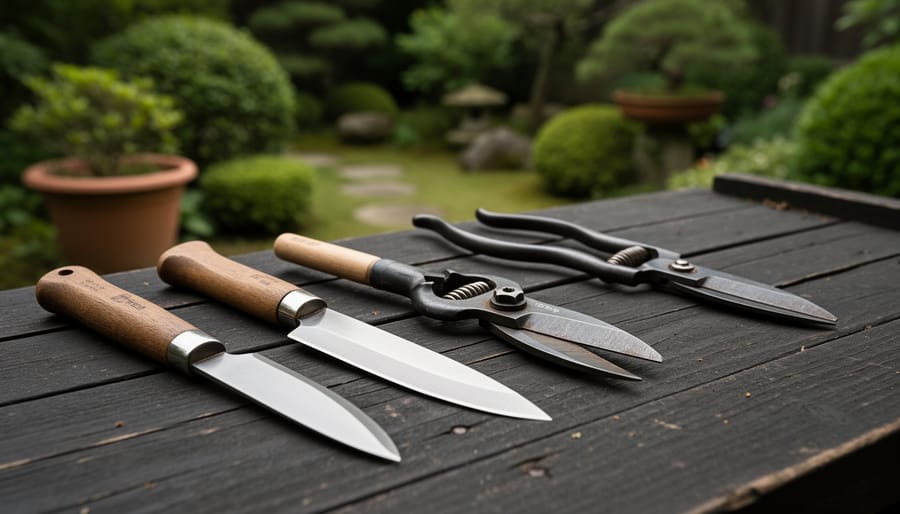
Japanese gardening tools represent centuries of refined craftsmanship translated into cutting instruments that slice rather than tear, prune with surgical precision, and last decades when properly maintained. What sets these tools apart isn’t just their reputation, it’s the tangible difference you’ll feel from the first cut: hand-forged steel that holds an edge months longer than mass-produced alternatives, ergonomic designs that reduce hand fatigue during extended pruning sessions, and weight distribution that makes precise work feel effortless.
The growing interest in these specialized tools reflects a shift in how gardeners approach their craft. Rather than viewing pruners and shears as disposable items replaced every few seasons, more people recognize that quality tools transform routine maintenance into an art form. A well-balanced hori hori knife becomes an extension of your hand. Razor-sharp pruning shears make cuts so clean that branches heal faster and cleaner.
For gardeners moving beyond basic maintenance into more intentional garden design, understanding Japanese tool categories matters. The terminology alone, distinguishing niwaki shears from hedge trimmers or recognizing why a hori hori outperforms a standard trowel, opens up new possibilities for precision work. These aren’t luxury purchases for collectors. They’re practical investments that change how you interact with your garden, whether you’re shaping a single bonsai or managing an entire landscape.
This guide walks through everything you need to make informed choices: the key quality markers that separate exceptional tools from expensive disappointments, comparisons of essential tool types and their specific uses, and practical recommendations across different budget ranges.
What Makes Japanese Gardening Tools Different
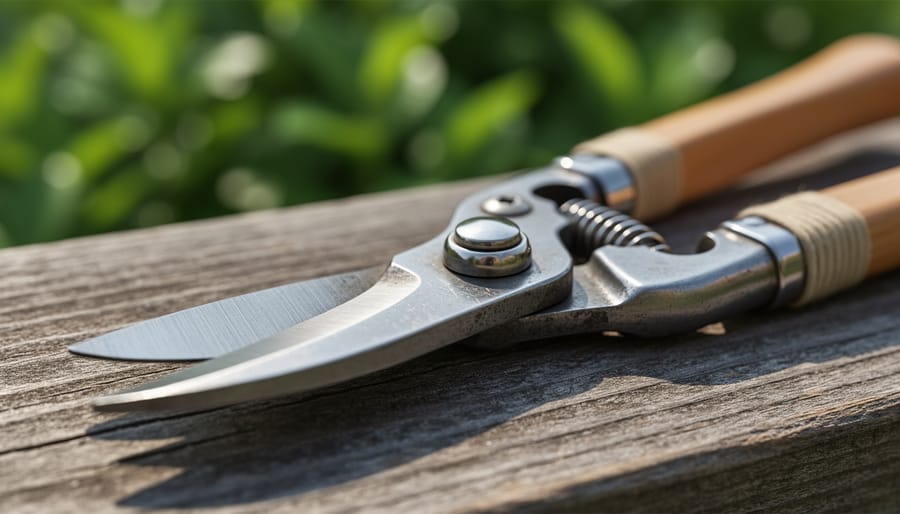
Japanese gardening tools stand apart through a convergence of metallurgy, tradition, and design philosophy that transforms routine maintenance into precise craft. At their core lies forged carbon steel construction, the foundational material choice that defines performance. Makers like RANSHOU build tools around forged Japanese carbon steel blades, a material that holds a sharper edge and maintains cutting precision far longer than stamped stainless alternatives. This isn’t marketing hyperbole. Carbon steel can be honed to a finer angle, which translates directly to cleaner cuts that heal faster on living plants.
The manufacturing process matters as much as the metal itself. Traditional Japanese toolmakers forge blades through controlled heating and hammering, aligning the steel’s grain structure for strength and flex. This hands-on approach produces tools with character, slight variations that reflect the craftsperson’s hand rather than factory uniformity. Brands like Niwaki source directly from these manufacturers in Japan, importing the output of workshops that have refined their techniques across generations. You’re not buying mass-produced equipment off an assembly line.
Design philosophy reveals itself in the details. Japanese tools typically feature longer, narrower blades than Western counterparts, allowing access into dense growth without disturbing surrounding stems. Handle angles suit different cutting motions, the grip diameter accommodates extended sessions without fatigue, and the overall balance centers weight precisely where your hand applies force. This attention to ergonomics and task-specific geometry turns pruning from a chore into something closer to calligraphy, where the tool becomes an extension of intent rather than a separate instrument you’re wrestling with.
Types of Japanese Gardening Tools Worth Knowing
Pruning and Cutting Tools
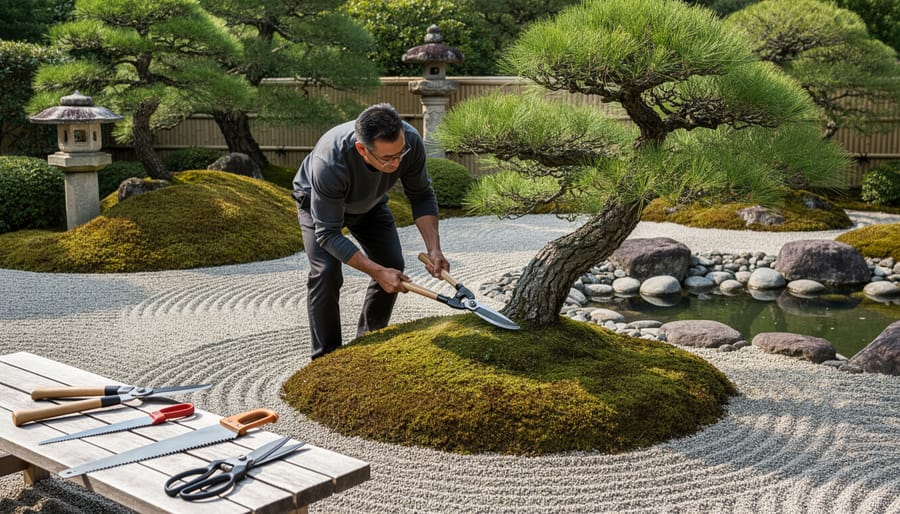
Japanese pruning shears form the heart of most collections, with makers like Okatsune producing tools known for their razor-sharp edges and clean cuts that heal faster than tears from dull blades. Standard pruning shears handle branches up to about three-quarters of an inch, while fine pruning tools excel at delicate work on perennials, roses, and detailed shaping where precision matters more than cutting power.
Hedge shears bring Japanese craftsmanship to larger-scale work. The long, slender blades create smooth, artistic lines in boxwood and topiary, and the balanced weight distribution reduces fatigue during extended trimming sessions. Unlike chunky Western models, Japanese hedge shears feel like an extension of your hands rather than a weight you’re wrestling.
Harvesting shears deserve attention if you grow vegetables or cut flowers. Their compact size and wickedly sharp points let you snip stems cleanly without crushing tissue, which means longer vase life for blooms and cleaner cuts that invite less disease into your vegetable plants.
Choose your first tool based on what you prune most often. Roses and ornamentals? Start with fine pruning shears. Shrubs and fruit trees? Standard pruning shears. Formal hedges? The hedge shears will transform your results.
Specialized Tools for Detailed Work
Bonsai scissors from makers like Okatsune represent the pinnacle of precision cutting tools, but their value extends far beyond miniature trees. These lightweight scissors feature ultra-thin blades that slip between dense foliage without damaging surrounding growth, perfect for detailed pruning in perennial borders, herb gardens, and anywhere you need surgical control. Their tight pivot points and comfortable finger loops let you work for hours without hand fatigue.
The same precision that shapes bonsai translates beautifully to sculpting ornamental grasses, deadheading roses in tight clusters, or creating clean lines in topiary work. Many gardeners find these tools indispensable for harvesting delicate herbs and flowers where heavy shears would crush stems. The forged carbon steel blades hold an edge that makes each cut effortless, turning tedious detail work into satisfying craftsmanship.
If your garden design includes sculptural elements, layered plantings, or intricate trimming, these specialized tools transform how you interact with your plants. They’re not essential for everyone, but once you’ve experienced the control they offer, standard scissors feel clumsy by comparison.
Access and Support Equipment
Beyond the cutting and pruning implements most gardeners focus on, Japanese garden maintenance relies on specialized support equipment that makes precision work safer and more effective. These often-overlooked tools reflect the same attention to ergonomics and task-specific design found in Japanese cutting tools.
Japanese tripod ladders stand out as remarkably stable alternatives to Western stepladders. Retailers like Niwaki offer these distinctive three-legged designs that distribute weight efficiently on uneven garden terrain. Their narrow profile allows positioning close to trees and shrubs without damaging surrounding plants, while the single front leg provides secure footing that standard A-frame ladders can’t match on soil or mulch.
Tool storage solutions deserve consideration as well. Proper cases and rolls protect blade edges between uses and make transportation convenient. These accessories might seem secondary to the tools themselves, but they’re essential for maintaining the precision that makes Japanese implements worth the investment. As you build your collection, factor in how you’ll store and carry tools to work sites around your garden.
Key Factors When Choosing Your Japanese Garden Tools
Choosing Japanese garden tools means balancing immediate needs against long-term value. Start by matching the blade material to your maintenance comfort level. Carbon steel, like the forged Japanese carbon steel found in RANSHOU tools, holds a sharper edge longer and offers superior cutting precision, but it demands regular cleaning and oiling to prevent rust. Stainless steel resists corrosion with minimal care, yet it won’t maintain the same razor-keen edge or allow for frequent resharpening. Think honestly about whether you’ll wipe down and oil tools after each session or prefer grab-and-go convenience.
Your intended use shapes every other decision. Daily pruning work justifies investing in premium shears from makers like Okatsune, whereas occasional ornamental trimming might suit a mid-range option. Consider how these tools integrate with your broader garden approach, much like applying composting basics or refining watering tips. Each technique deserves tools scaled to its frequency and importance in your routine.
Hand fit matters more than most buyers expect. Japanese tools often feature smaller grips designed for precision rather than power, and a poor fit causes fatigue during extended sessions. If possible, hold samples before purchasing, checking that your fingers reach the pivot point comfortably and the weight feels balanced during cutting motions. Tools that feel awkward in the hand never get used, regardless of their blade quality.
Before committing to any purchase, assess these core factors:
- Blade material and edge retention versus your willingness to maintain carbon steel
- Handle size and grip comfort for your hand dimensions
- Weight distribution and balance during typical cutting angles
- Maintenance requirements including cleaning frequency, oiling schedule, and sharpening needs
- Price relative to expected tool lifespan and replacement costs
Budget planning requires looking beyond the initial price tag. A quality tool costing three times more than a basic alternative often delivers ten times the working life when properly maintained. Factor in whether you’re building foundational skills, similar to learning garden fertilizers or soil 101 principles, or investing in tools that will serve decades of refined technique. Start with one exceptional piece rather than a set of compromises, then expand your collection as your skills and specific needs become clear.
Where to Find Quality Japanese Gardening Tools
Finding authentic Japanese gardening tools requires a bit more effort than picking up equipment at your local garden center, but the investment in quality makes it worthwhile. Several reputable options exist for sourcing genuine Japanese tools, each with its own advantages and considerations.
Specialist importers like Niwaki offer perhaps the most direct route to quality Japanese garden tools. They source products directly from manufacturers in Japan, including fine pruning tools, tripod ladders, kitchen knives, and woodworking tools. Working with dedicated importers means you’re getting authentic products with expertise behind the selection, though prices typically reflect the import process and quality standards.
International online platforms like Amazon provide broader access to Japanese gardening tools, including specialized items such as the Wazakura bonsai tool cases and Japanese garden tool storage bags. These platforms can offer competitive pricing, but you’ll need to watch for additional costs beyond the listed price.
Look for retailers that specify product origins and materials clearly. Authentic Japanese tools from makers like Okatsune or RANSHOU will prominently feature their Japanese carbon steel construction and traditional manufacturing methods. If a listing seems vague about origins or materials, that’s usually a red flag.
We encourage you to share your trusted sources in our community forum. Gardeners who’ve already navigated international purchases often have valuable insights about reliable retailers, shipping experiences, and hidden costs that can help others avoid common pitfalls. Building this shared knowledge helps everyone access the tools that will transform their gardens.
Smart Recommendations for Different Gardener Profiles
The right tools depend on your gardening style and ambitions. Here’s how to build your collection strategically rather than buying everything at once.
If you’re new to Japanese tools, start with a single quality pruning shear from makers like Okatsune. This lets you experience the precision cutting action without overwhelming your budget or maintenance routine. Master one carbon steel tool’s care requirements before expanding your collection. Once you’re comfortable with basic maintenance, add fine pruning tools for detailed work on roses, perennials, or shaping ornamental plants.
Bonsai enthusiasts need specialized cutting instruments from the start. Okatsune’s bonsai scissors offer the fine control essential for delicate branch selection and leaf trimming. As your skills develop, add concave cutters and wire cutters. Protect your investment with proper storage, cases like the Wazakura bonsai tool case keep everything organized and prevent blade damage between sessions.
Ornamental garden designers working on artistic layouts benefit most from a mixed toolkit. Combine standard pruning shears with hedge shears for topiary work and fine pruners for specimen plants. If you’re sculpting a small space garden where every plant matters visually, Japanese precision tools make each cut count toward your design vision.
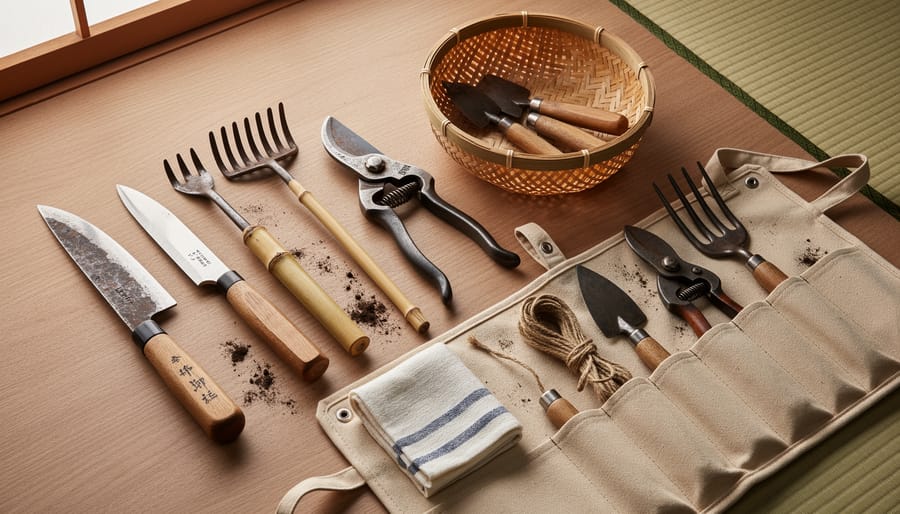
Maintenance-focused gardeners who care for established landscapes should prioritize durability over specialty features. A robust pruning shear, quality hedge shears, and harvesting shears from Niwaki or similar manufacturers handle routine tasks season after season. Add a tool roll for field storage so you’re not constantly walking back to the shed.
Build your collection around actual gardening tasks, not completeness. Three well-chosen tools you use weekly outperform ten specialty items gathering dust. Start with what solves your most frequent pruning challenge, then expand as specific needs emerge.
Common Mistakes to Avoid When Buying Japanese Garden Tools
Buying Japanese garden tools is an investment in craftsmanship, but enthusiasm can lead to costly missteps that undermine both your budget and your gardening experience. Understanding these common pitfalls before you purchase helps you build a collection that genuinely serves your garden work rather than gathering dust in a shed.
The most frequent mistakes include:
- Choosing stainless steel over carbon steel without understanding that carbon requires oiling after each use but holds a sharper edge longer, while stainless resists rust but dulls faster and costs more to sharpen properly
- Neglecting storage solutions and leaving carbon steel tools exposed to moisture, which causes rust within days, invest in a tool roll like the Wazakura bonsai tool case or similar protection from the start
- Ignoring hand fit by ordering online without checking handle circumference and length, leading to blisters, fatigue, and imprecise cuts that defeat the purpose of precision tools
- Buying specialty items like detailed bonsai scissors before mastering basic pruning shears, wasting money on tools you lack the technique to use effectively
- Expecting these tools to function like their Western counterparts, then becoming frustrated when Japanese designs require different cutting angles and gentler pressure
- Purchasing complete sets without understanding what each tool does, resulting in duplicate functions and gaps in your actual needs
Another critical error is underestimating the learning curve. Japanese tools reward proper technique with exceptional results, but they punish poor form with ragged cuts and blade damage. Start with one quality item, practice until you understand its rhythm and requirements, then expand your collection deliberately. This approach respects both the tools and your development as a gardener, turning equipment selection into a thoughtful craft rather than an impulsive shopping spree.
Caring for Your Japanese Gardening Tools
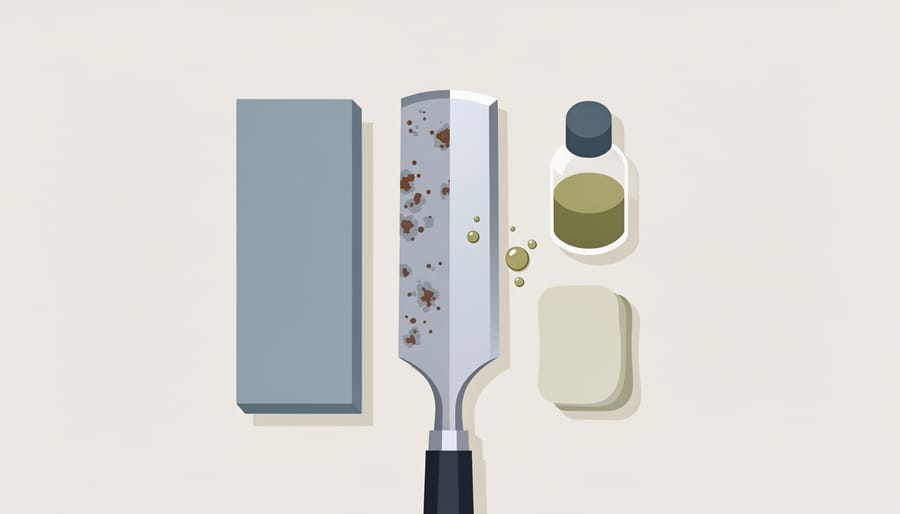
Carbon steel Japanese tools reward proper care with decades of reliable service, but they demand more attention than their stainless counterparts. Think of maintenance as part of the craft, these precision instruments deserve the same respect you’d give a fine kitchen knife or woodworking chisel.
Clean your tools immediately after each use. Wipe blades with a damp cloth to remove sap, soil, and plant residue, then dry them thoroughly. Even brief exposure to moisture can start rust on carbon steel, especially in humid climates. Many Japanese gardeners keep a small towel tucked in their belt for quick wipes between cuts.
Apply a thin coat of camellia oil or food-grade mineral oil to blades before storing. This protective layer prevents oxidation and keeps the edge sharp. Some gardeners oil after every session, others weekly, find your rhythm based on how often you work and local humidity levels.
Storage matters as much as cleaning. Tool rolls and cases like the Wazakura bonsai tool case protect blades from moisture and impact while keeping edges from dulling against other metal surfaces. Store tools in a dry location, never leaving them outdoors overnight or in damp sheds.
Sharpen regularly to maintain that whisper-thin edge Japanese tools are known for. Most pruning tools need attention every few weeks of active use. A basic whetstone works well, or seek out a professional sharpener who understands Japanese tool geometry. The investment in proper maintenance preserves both cutting performance and your connection to centuries of gardening tradition.
Frequently Asked Questions
Are Japanese gardening tools really worth the investment compared to Western alternatives?
Japanese tools justify their premium through superior materials like forged carbon steel, precision manufacturing, and decades-long usability when properly maintained. If you value accuracy in pruning, ergonomic comfort during extended use, and tools that perform as craft instruments rather than disposable equipment, they’re absolutely worth it.
How difficult is it to maintain carbon steel Japanese garden tools?
Maintenance is straightforward but non-negotiable: wipe blades clean after each use, apply a thin oil coat, and store in a dry place. Most gardeners spend less than five minutes per session on care, which becomes routine quickly and prevents the rust issues that ruin neglected carbon steel tools.
Where can I learn proper techniques for using Japanese pruning shears and specialized tools?
Many retailers who import directly from Japanese manufacturers, like Niwaki, provide instructional resources and usage guides with their products. Online gardening communities, including forums focused on bonsai and ornamental garden design, offer shared expertise from experienced users willing to mentor newcomers.
Do Japanese garden tools work well for Western-style gardens, or are they only for Japanese aesthetics?
These tools excel in any garden requiring precision cutting, shaping, and detailed work. The same Okatsune pruning shears that shape pine boughs work beautifully on roses, hedges, and fruit trees, the physics of sharp, clean cuts doesn’t respect garden style boundaries.
What should I buy first if I’m building a collection on a budget?
Start with a quality pair of general-purpose pruning shears from makers like Okatsune, which handle 80% of garden cutting tasks. Add a fine pruning tool for detailed work second, then expand into specialty items like bonsai scissors or hedge shears as your specific needs and skills develop.
Should I buy storage solutions like tool rolls at the same time as my first tools?
Yes, protect your investment from the start. Options like the Wazakura bonsai tool case or Japanese garden tool roll bags keep blades separated, prevent damage during storage, and make maintenance easier by keeping everything organized in one place.
Starting a collection of Japanese garden tools feels intimidating when you’re staring at premium prices and unfamiliar product names. The reality? You don’t need everything at once. Focus on one or two essential cutting tools that address your most frequent tasks, learn their maintenance rhythm, and expand deliberately as you discover which garden work brings you the most satisfaction.
The cross-cultural compatibility question comes up constantly, and it misses the point. Japanese tools aren’t about replicating a specific aesthetic, they’re about precision, control, and the satisfaction of clean work. Your cottage garden roses, your formal hedges, your vegetable patch, all benefit from sharp, properly balanced cutting tools regardless of where they were forged. The design philosophy translates beautifully because good craftsmanship serves the plant, not a particular garden style.
Budget concerns are valid. These aren’t impulse purchases. But compare the cost against years of use rather than the sticker shock of a single transaction. A well-maintained pair of Japanese pruning shears can outlast three or four sets of mass-market replacements while delivering better results throughout their lifespan. That shifts the value equation considerably when you’re thinking about your garden as a long-term creative project rather than a weekend hobby.
Main Options Compared
When comparing your options, the key decision points come down to tool category, material choice, and brand positioning.
By Tool Category: Pruning and cutting tools like Okatsune shears offer the broadest utility for most gardeners, handling everything from deadheading to branch work. Specialized bonsai tools from makers like Okatsune provide precision for detailed sculpting but serve narrower purposes. Support equipment such as Japanese tripod ladders from Niwaki addresses specific access needs rather than daily cutting tasks.
By Material: Forged carbon steel blades, like those found in RANSHOU tools, deliver superior edge retention and sharpness but require regular oiling and rust prevention. Stainless steel options need less maintenance but sacrifice some cutting performance and that razor-edge feel Japanese tools are known for.
By Brand Approach: Direct importers like Niwaki source tools straight from Japanese manufacturers, often providing authenticity and traditional designs. International marketplace options offer convenience and familiar purchasing processes, though you may encounter import charges and product variations compared to local offerings.
The right choice depends on whether you prioritize cutting performance and are willing to maintain carbon steel, need specialty versus general tools, and value direct-source authenticity or purchasing convenience.
Choosing Japanese gardening tools is about more than adding equipment to your shed, it’s about embracing a philosophy that treats garden work as an art form. These beautifully crafted implements can transform your relationship with your outdoor space, turning routine maintenance into mindful, precise sculpting sessions.
We’d love to hear about your journey with Japanese tools. Have you invested in your first set of Okatsune shears or a handcrafted Niwaki blade? Are you curious about which tools suit your garden style, or do you have maintenance tips that have kept your carbon steel edges sharp for years? Share your experiences, questions, and discoveries in our community forum.
Every week, we explore new ways to elevate your garden into a living masterpiece. Join the conversation, swap recommendations with fellow gardeners, and let’s learn together. Your next garden transformation starts with the right tools, and the right community to support your creative vision.