
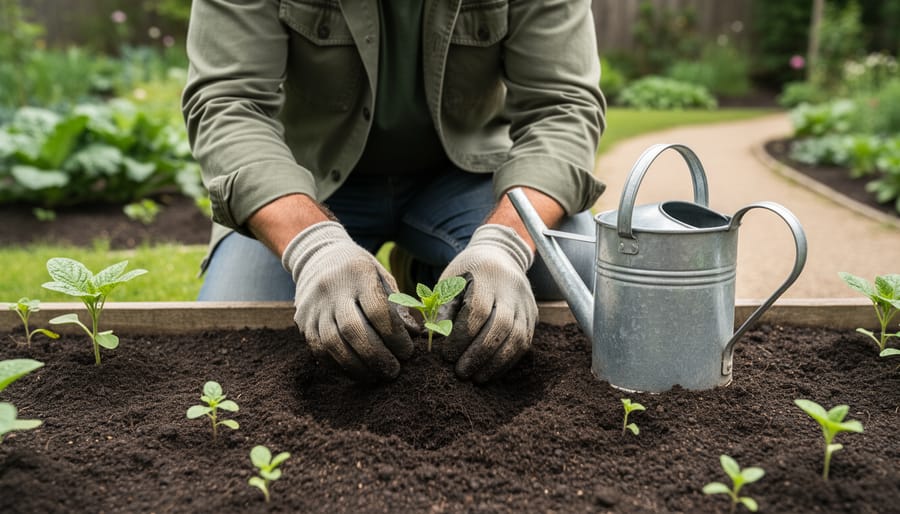
Therapeutic gardening is the intentional use of plant cultivation and garden-based activities to improve mental, physical, and emotional wellbeing through structured interaction with the natural environment. This isn’t about accidentally feeling better while you weed. It’s a measurable, evidence-backed practice that reduces cortisol levels, lowers blood pressure, decreases symptoms of anxiety and depression, and supports recovery from trauma, illness, and chronic stress.
The power of therapeutic gardening lies in its multisensory engagement. When you dig into soil, your hands contact beneficial bacteria that may boost serotonin production. The rhythmic, repetitive motions of planting and pruning calm an overactive mind. Watching seeds sprout and plants mature creates a tangible sense of accomplishment and purpose, particularly valuable for those struggling with feelings of helplessness or disconnection.
In 2026, therapeutic gardening has evolved far beyond a pleasant hobby. Healthcare facilities, mental health programs, veterans’ organizations, and eldercare communities now integrate gardens as active treatment spaces. Physical therapists prescribe container gardening to rebuild fine motor skills. Psychologists recommend raised beds for clients managing ADHD or recovering from burnout.
This article will walk you through exactly how gardening works as therapy at the biological and psychological level, the specific wellness outcomes you can expect, the different applications across healthcare and personal practice, and how to design your own space to maximize healing benefits. Whether you’re curious about starting a small balcony garden for stress relief or want to understand the science that makes digging in the dirt genuinely restorative, you’ll find practical guidance rooted in both research and real-world experience.
What Therapeutic Benefits Really Means for Gardeners
When gardeners talk about therapeutic benefits, they’re describing measurable improvements to health and wellbeing that go far beyond enjoying a pleasant afternoon outdoors. These are real physiological and psychological changes, lowered blood pressure, reduced anxiety, improved mood, stronger social bonds, that occur when we engage with soil, plants, and living systems in meaningful ways.
The therapeutic benefits of gardening span four interconnected wellness dimensions. Physical benefits include increased strength, flexibility, and cardiovascular health from activities like digging, planting, and carrying. Mental benefits encompass stress reduction, improved focus, and decreased symptoms of anxiety and depression. Emotional benefits involve enhanced self-esteem, sense of purpose, and emotional regulation through nurturing growth. Social benefits emerge from shared garden spaces, community projects, and intergenerational connections formed around growing things together.
- Physical Therapy
- The use of garden activities to improve strength, coordination, mobility, and motor skills through purposeful movement and task engagement. Unlike exercise, it provides functional goals that motivate continued effort.
- Mental Wellness
- Psychological health improvements including stress reduction, anxiety management, and mood elevation achieved through garden engagement. The combination of physical activity, nature exposure, and mindful focus creates measurable mental health benefits.
- Emotional Healing
- The process of building resilience, self-worth, and emotional regulation through the act of nurturing living things and witnessing growth. Gardens provide safe spaces to process feelings and experience accomplishment.
- Horticultural Therapy
- A clinical practice using structured garden activities with specific therapeutic goals, guided by trained professionals to address physical, cognitive, or emotional challenges. It’s gardening with intentional therapeutic outcomes and documented results.
- Restorative Environments
- Garden spaces specifically designed to promote healing and recovery through sensory engagement, accessibility, and thoughtful layout. These environments actively support wellness rather than simply providing pleasant surroundings.
What separates therapeutic gardening from casual recreation is intention and consistency. While any garden visit can feel refreshing, therapeutic benefits accumulate through regular engagement with living systems and purposeful activity. The garden becomes a wellness practice, not just a hobby.
These benefits are gaining serious recognition in 2026 because healthcare providers, mental health professionals, and urban planners now have decades of research confirming what gardeners have always known. Studies document how garden exposure lowers cortisol levels, speeds post-operative recovery, and improves outcomes for conditions from PTSD to dementia. This evidence is transforming how we think about gardens, from decorative spaces to essential wellness infrastructure.
How Gardening Creates Healing Effects
The Mind-Body Connection in Garden Work
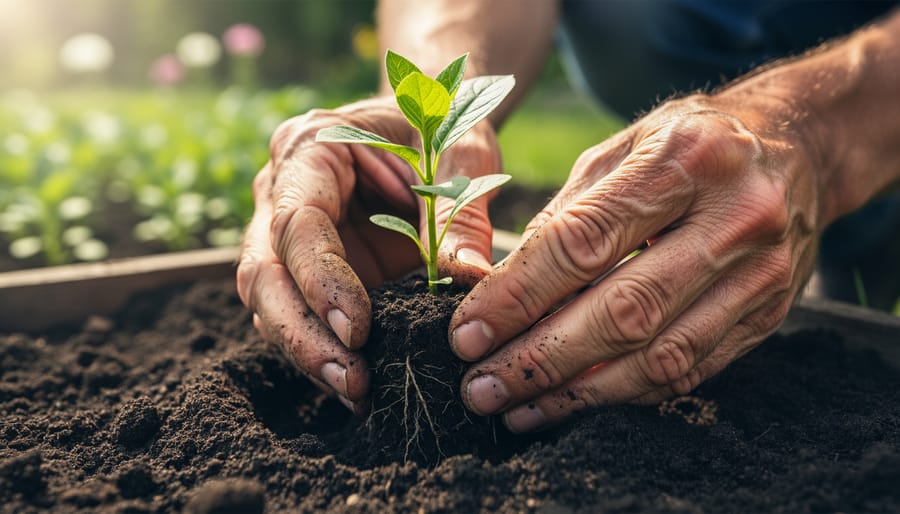
When you dig, plant, or prune, your body and mind work in tandem in ways that modern life rarely demands. Garden tasks require concentrated attention, your hands gauge soil moisture, your eyes track a straight row, your balance shifts as you kneel and stand, while simultaneously moving your muscles through varied, functional patterns that build real strength.
This dual engagement triggers a measurable stress response shutdown. Physical exertion releases endorphins and burns off cortisol, the hormone that accumulates during anxious rumination. Meanwhile, the focused attention gardening requires pulls your mind away from worry loops and into present-moment problem-solving. You cannot catastrophize about tomorrow’s meeting while calculating whether that seedling needs more water.
The coordination demands are significant yet approachable. Weeding strengthens grip and wrist stability. Raking builds shoulder endurance. Hauling compost challenges your core. Unlike gym exercises that isolate muscle groups, garden work creates functional movement chains that improve everyday mobility. Your nervous system stays engaged through varied terrain, changing tasks, and the unpredictability of working with living things, building both physical competence and mental adaptability simultaneously.
Sensory Engagement and Nature Connection
Gardening floods your senses in ways few modern activities do, pulling you out of mental loops and into immediate experience. When you run your fingers through soil, inhale the sharp green scent of crushed tomato leaves, or watch sunlight filter through new lettuce growth, your nervous system shifts into a calmer state.
This sensory richness explains why gardens feel restorative even when you’re not actively working. The visual variety of different leaf textures and flower colors gives your eyes something genuinely interesting to explore. Touch connects you directly to living material through warm earth, cool water, rough bark, and soft petals. Fragrance triggers emotional memories and relaxation responses, particularly with lavender, rosemary, and mint. Even subtle sounds like rustling leaves or buzzing pollinators create a gentle acoustic backdrop that masks urban noise.
These layered sensory experiences work together to anchor you in the present moment, the foundation of mindfulness practices. Your brain can’t simultaneously worry about tomorrow’s meeting while deeply noticing the weight of a ripe pepper in your palm or tracking a butterfly’s flight pattern through your border.
Purpose, Achievement, and Nurturing
Watching a seed sprout or a cutting take root connects us to something larger than ourselves. When you nurture a plant from vulnerability to vitality, you’re exercising your capacity to care, a fundamental human need that gardening satisfies without judgment or complexity. Each small success, whether it’s your first tomato or reviving a struggling fern, builds quiet confidence that extends beyond the garden bed.
The act of tending creates purpose through responsibility. Your plants depend on you, establishing a rhythm of care that structures your days and rewards attention. Unlike many modern tasks with abstract outcomes, gardening offers tangible proof of your effort: stronger stems, fuller blooms, healthier soil. This visible progress combats feelings of helplessness and reminds you that patient, consistent care produces real change, a lesson that nourishes self-esteem as reliably as water nourishes roots.
Types of Therapeutic Benefits Gardening Provides
Physical Health and Mobility Benefits
Digging, planting, weeding, and pruning engage muscle groups throughout your body in ways that build functional strength without feeling like exercise. Regular garden work improves grip strength, increases shoulder and back stability, and develops leg muscles through squatting and bending movements. These natural motions enhance flexibility and joint mobility over time.
Your heart rate elevates during sustained activities like raking or hoeing, providing moderate cardiovascular exercise that supports circulation and heart health. Spending time outdoors exposes you to vitamin D from sunlight, which strengthens bones and supports immune function.
Delicate tasks like transplanting seedlings, tying stems, or harvesting berries develop fine motor coordination and hand dexterity. For older gardeners, these movements help maintain the precise control needed for daily activities. Even container gardening on a balcony delivers these physical benefits when you work consistently throughout the growing season.
Mental Health and Stress Relief
Gardening offers profound mental health support by creating a natural antidote to modern stress. When you dig, plant, or prune, your body reduces cortisol production, the stress hormone, while increasing serotonin and dopamine, which stabilize mood and create feelings of contentment. This biochemical shift happens naturally through the physical rhythm of garden work combined with outdoor exposure.
For anxiety management, the garden provides a focused, low-stakes environment where your mind can settle. The repetitive motions of weeding or watering become meditative, pulling attention away from racing thoughts. You’re present with soil texture, leaf patterns, and bird sounds rather than trapped in worry loops.
Depression responds to gardening’s unique combination of gentle activity, sunlight exposure, and visible progress. Unlike many daily tasks, garden work shows tangible results, seeds sprout, flowers bloom, vegetables ripen. These small victories counter the hopelessness depression creates, reminding you that positive change happens through consistent care.
Regular garden time essentially becomes free therapy, accessible whenever you need emotional support without appointments or prescriptions.
Emotional Wellbeing and Self-Esteem
Watching a seedling you planted push through soil or seeing blooms you nurtured open transforms more than your garden, it shifts how you see yourself. Growing something successfully, no matter how small, delivers tangible proof of your capability. That pepper plant thriving on your balcony or the wildflower patch you established becomes evidence you can nurture, problem-solve, and create.
Gardens offer a unique outlet for emotional expression without words. Frustrated? Tackle that overgrown bed. Anxious? Focus on the repetitive rhythm of deadheading spent flowers. The physical act of shaping your space provides release while the visible results, ordered beds, healthy plants, beautiful combinations, externalize feelings you might struggle to articulate otherwise.
Each gardening season builds confidence incrementally. You learn what works, adapt when things fail, and develop skills that carry into other life areas. The grandmother who successfully grows tomatoes despite arthritis, the teen who designs their first raised bed, the stressed professional whose weekend garden hours restore equilibrium, all discover that competence in one domain radiates outward, strengthening their sense of self-worth.
Cognitive Function and Memory
Garden planning keeps your brain active and engaged in ways that support cognitive health. When you map out beds, choose companion plants, or troubleshoot pest problems, you’re exercising executive function skills like organization, planning, and decision-making. These mental workouts build cognitive reserve that may help protect against age-related decline.
Learning plant names, care requirements, and growing seasons strengthens memory formation. Remembering when you planted tomatoes last spring or which rose variety thrived in that shady corner creates neural connections. The repetitive nature of seasonal tasks, pruning in late winter, dividing perennials in fall, reinforces these memory pathways through practice.
Problem-solving happens constantly in gardens. Why did the lettuce bolt? How can you support that heavy squash vine? What spacing will give peppers enough airflow? Each challenge you work through strengthens analytical thinking.
For older adults, this cognitive stimulation through meaningful outdoor activity shows particular promise. Studies suggest regular gardening may slow cognitive decline and support independence as we age.
Where and How Therapeutic Gardening Is Applied

Home Gardens as Personal Wellness Spaces
You don’t need acreage or professional design skills to create a personal healing space. A small balcony with gardening pots filled with herbs and flowering plants can deliver the same stress-relief benefits as a sprawling garden. The key is intentionality, choose a spot you’ll visit regularly, even if it’s just a sunny windowsill or corner of your patio.
Start by identifying what you want from the space. Need morning calm? Add fragrant lavender or jasmine near your coffee spot. Want an evening retreat? Install a small fountain and surround it with soft-textured grasses. Include plants that invite touch and care, rosemary to brush your fingers through, cherry tomatoes to check daily, or colorful zinnias that reward you with blooms.
Make the space comfortable with a simple chair or cushion. Your garden becomes therapeutic when you can actually pause in it, not just maintain it.
Healthcare and Clinical Gardens
Healthcare facilities increasingly recognize gardens as active treatment tools rather than decorative amenities. Hospital healing gardens provide post-surgery patients with accessible outdoor spaces that reduce pain perception and speed recovery, studies show patients with garden views require less medication and heal faster. These spaces feature smooth, wheelchair-accessible paths, abundant seating at varying heights, and raised beds that allow bedside interaction with plants.
Rehabilitation centers design gardens specifically for physical and occupational therapy goals. Pathways with varied textures and inclines challenge balance and gait, while therapeutic tasks like transplanting seedlings rebuild fine motor skills and hand strength after stroke or injury.
Memory care facilities create specialized gardens for dementia patients, using circular pathways that prevent disorientation, familiar plants that trigger positive memories, and secure boundaries that allow safe independent wandering. Sensory gardens with fragrant herbs, textured foliage, and edible flowers stimulate engagement without requiring verbal communication.
These clinical gardens don’t happen by accident, they’re carefully designed with specific therapeutic outcomes in mind, proving that intentional garden design directly enhances healing effectiveness.
Community and Social Therapeutic Gardens
Shared gardens transform therapeutic benefits from solitary experiences into collective healing journeys. Community plots, church gardens, neighborhood green spaces, and school gardens create opportunities for social connection while nurturing plants, addressing isolation and loneliness that undermine mental health in modern life.
These spaces work because they combine purposeful activity with human interaction. Neighbors working side-by-side on raised beds naturally strike up conversations, share knowledge, and build relationships rooted in common goals rather than forced small talk. Veterans’ gardening groups, grief support gardens, and intergenerational plots bring together people facing similar challenges, creating understanding and mutual support that clinical settings can’t replicate.
The collective nature amplifies individual benefits, shared harvests provide tangible rewards, group problem-solving builds confidence, and accountability keeps participants engaged through difficult seasons. Many community gardens intentionally incorporate accessible design features, quiet sitting areas, and diverse plant selections that welcome members with varying abilities and therapeutic needs.
Regular gathering around garden work creates belonging and purpose that extend well beyond the growing season itself.
Design Elements That Maximize Therapeutic Benefits
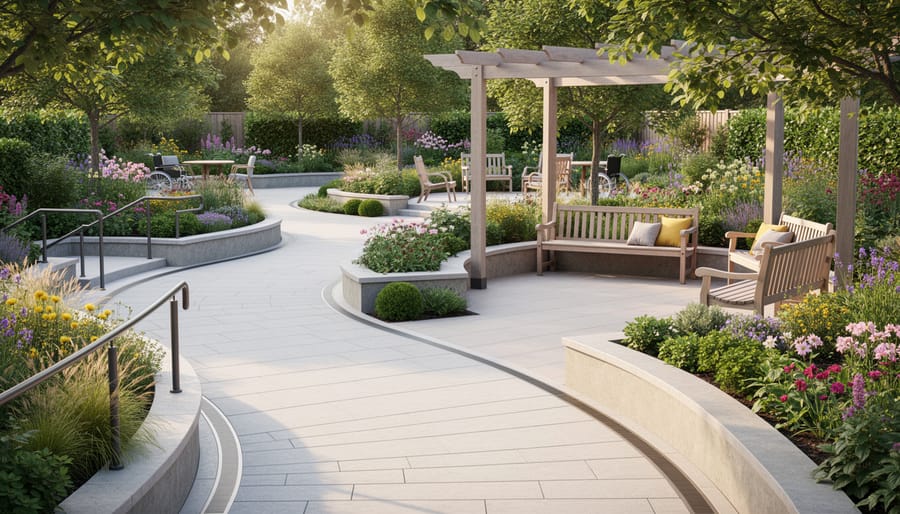
The difference between a garden that happens to offer some wellness benefits and one deliberately designed for therapeutic impact comes down to intentional design choices. While any garden can provide healing experiences, specific elements amplify those effects, creating spaces that aren’t just beautiful, but actively restorative.
Start with accessibility as your foundation. Wide, smooth pathways (at least 48 inches) allow wheelchairs and walkers to navigate comfortably, while slightly raised beds at 24-30 inches bring plants within easy reach for those with limited mobility or balance concerns. Even if you’re fully mobile now, these features reduce physical strain and let you focus on the calming aspects of gardening rather than struggling to reach plants. Textured path edges help those with visual impairments navigate safely, and gentle slopes replace steps wherever possible.
Sensory diversity matters more than you might expect. Layer plants that engage different senses throughout the year, lavender and rosemary for touch and scent, ornamental grasses that rustle in breezes, bright blooms that draw the eye, and herbs that invite tasting. This multi-sensory approach activates different brain regions simultaneously, deepening the meditative quality of time spent outdoors. The rich textures and nutrients in quality gardening soil also provide a grounding tactile experience when working with plants.
Thoughtful seating transforms a garden from a place you pass through into one you inhabit. Position benches where you can watch birds, observe seasonal changes, or simply rest between tasks. Mix sunny spots for warmth with shaded retreats for hot days. Research from hospital therapeutic gardens confirms that comfortable gathering spaces significantly extend the time people spend outdoors, multiplying healing benefits.
Water features add dimension through sound and movement. Even a small fountain or birdbath creates focal points that naturally draw attention, helping quiet racing thoughts. The white noise of moving water masks urban sounds while providing a calming auditory anchor.
Essential elements to incorporate include:
- Multiple pathway widths and surfaces for different mobility levels
- Plants offering year-round color, texture, fragrance, and sound
- Comfortable seating in both sun and shade with varied privacy levels
- Water features sized appropriately for your space and maintenance capacity
- Low-maintenance zones mixed with areas requiring active engagement
The layout itself shapes therapeutic potential. Create distinct zones, active growing areas, quiet reflection spaces, and social gathering spots. This variety lets you match activities to your current needs, whether you’re seeking energizing work or peaceful contemplation on any given day.
Getting Started With Therapeutic Gardening
You don’t need a complete garden transformation to start experiencing therapeutic benefits. Begin with a single activity that matches your current abilities and interests, planting three herb containers, spending ten minutes weeding, or simply sitting among your plants while you drink morning coffee. These small, consistent interactions create the foundation for wellness routines that grow naturally over time.
Choose plants that engage multiple senses and require minimal expertise. Lavender, mint, rosemary, and lemon balm offer fragrance, texture, and easy care that builds confidence quickly. For visual interest with low maintenance, consider ornamental grasses that move with the breeze or hardy succulents that forgive irregular watering. If mobility is a concern, raised beds or container gardens at comfortable heights eliminate bending and kneeling while still providing all the benefits of hands-on cultivation.
Match your garden activities to specific wellness goals. If stress relief is your priority, focus on repetitive tasks like deadheading flowers or raking gravel paths, these rhythmic movements quiet racing thoughts. For physical therapy, choose activities that gently challenge your range of motion, like reaching to prune climbing roses or squatting to transplant seedlings. Social connection grows naturally when you invite a neighbor to help divide perennials or start a weekly garden walk with friends.
Create simple routines that anchor therapeutic gardening in your daily life. Morning plant checks before breakfast, evening watering sessions, or weekend propagation projects give structure without overwhelming your schedule. Start with fifteen minutes three times weekly, then expand as the habit takes root. Consider adding elements that extend the season’s benefits, bird feeders for winter observation, garden water systems that create soothing sounds year-round, or cold frames that let you tend greens through cooler months.
The key is beginning where you are, not where you think you should be.
How The Therapeutic Benefits of Gardening Works
Think of therapeutic gardening as a multi-layered wellness system that activates simultaneously on several fronts. When you dig, plant, or prune, your body releases endorphins while lowering cortisol, your stress hormone. The physical exertion improves circulation and builds muscle memory without feeling like formal exercise.
At the same time, your senses lock onto the immediate environment. The texture of soil, fragrance of herbs, visual rhythm of planted rows or even decorative mowing patterns pull your attention into the present moment, interrupting worry cycles and rumination. This sensory anchoring triggers your parasympathetic nervous system, the body’s natural calming mechanism.
Meanwhile, the act of nurturing plants taps into purpose and accomplishment. Watching seeds germinate or flowers bloom creates tangible evidence of your care and competence, releasing dopamine and reinforcing positive self-perception. Your brain interprets this cultivation as meaningful work with visible results.
These three streams, physical movement, sensory grounding, and purposeful creation, converge to form a complete therapeutic experience. The garden becomes both the tool and the setting for this integrated wellness process.
The healing power of gardening doesn’t require acres of land or decades of expertise, it starts the moment you decide to engage with growing things. Whether you’re nurturing herbs on a windowsill, tending raised beds, or transforming a backyard into a wellness sanctuary, the therapeutic benefits flow from your connection to the process itself. Your garden becomes a living wellness tool when you approach it with intention, recognizing that every session of weeding, planting, or simply observing contributes to your physical and mental health.
These benefits compound over time, creating lasting improvements in how you feel and function. As you plan your next growing season, consider our spring gardening tips to design spaces that support both plant health and human wellbeing.
We’d love to hear about your therapeutic gardening experiences. Share your wellness garden designs, favorite calming plant combinations, or stories of healing through growing in the GardenSculpt community forum. Your insights help fellow gardeners create their own restorative outdoor spaces.
Common Questions About Therapeutic Gardening Benefits
Do you need years of experience to gain wellness benefits from gardening? Not at all. Therapeutic benefits begin the moment you engage with plants and soil, whether you’re a complete beginner or a seasoned gardener. The act of watering a single potted herb, pulling weeds for ten minutes, or simply sitting among growing things triggers stress reduction and mood improvement. Your skill level matters far less than your willingness to show up and participate. Many therapeutic garden programs specifically welcome first-timers because the learning process itself, discovering how plants respond to care, problem-solving when something goes wrong, builds confidence and provides mental engagement that contributes to wellness.
How much outdoor space do you actually need? A balcony with containers, a sunny windowsill with herbs, or even a small raised bed offers enough room to experience genuine therapeutic benefits. Research shows that people tending just three pots on an apartment balcony report similar stress relief and satisfaction as those working in larger yards. The quality of your engagement matters more than square footage. A tiny space you tend regularly with attention and care delivers more wellness value than a sprawling garden you feel overwhelmed by or rarely visit.
Can gardening genuinely help with anxiety and depression?
Yes, studies document measurable reductions in cortisol levels, improvements in mood scores, and decreased anxiety symptoms among regular gardeners. While gardening complements professional mental health treatment rather than replacing it, the combination of physical activity, nature exposure, and purposeful creation addresses multiple depression and anxiety mechanisms simultaneously.
How often should I garden to notice therapeutic benefits?
Most people report positive effects from just 20-30 minutes of garden activity two to three times weekly. Consistency matters more than duration, brief, regular sessions build routine and allow you to witness plant growth cycles, which enhances the sense of accomplishment and connection.
What if I have physical limitations or mobility challenges?
Adaptive gardening techniques make therapeutic benefits accessible to nearly everyone. Raised beds eliminate bending, vertical gardens reduce reach requirements, and container arrangements bring plants to comfortable heights. Tasks can be modified, someone with limited grip strength might focus on watering and observing rather than heavy digging, still gaining full sensory and emotional benefits.
The evidence supporting gardening’s therapeutic value continues growing stronger. Keep your expectations realistic, gardening won’t cure serious health conditions, but recognize it as a legitimate wellness practice that addresses physical, mental, and emotional health simultaneously through simple, accessible activities anyone can begin today.